
Blog / Ford Dealer

Ford Maverick vs. Hyundai Santa Cruz: Budget-Friendly Trucks

ford maverick vs hyundai santa cruz

A Compact Truck Showdown

The Ford Maverick vs. Hyundai Santa Cruz debate has captured the attention of car buyers seeking compact trucks with versatile features. Both models cater to those who prioritize utility, affordability, and modern technology. Whether you’re looking for a truck that excels in fuel efficiency or one that provides innovative storage solutions, these compact pickup trucks offer a compelling choice for urban and outdoor lifestyles.

As compact trucks gain popularity, the Ford Maverick and Hyundai Santa Cruz deliver unique advantages tailored to different needs. Understanding their pricing, performance, safety, and design will help you make an informed decision about which model best suits your lifestyle and preferences.

For many shoppers, the Ford Maverick stands out as the smarter choice thanks to its exceptional fuel economy, impressive value, and everyday versatility. Explore the Ford Maverick in person and experience the difference with a trip to Preston Ford of Keller. Visit us today, take a test drive, and find the perfect Ford Maverick model for you.

An Introduction to Compact Pickup Trucks

Why Compact Pickup Trucks Are Popular

Compact pickup trucks, such as the Ford Maverick and Hyundai Santa Cruz, have quickly become favorites among urban and suburban drivers. Their smaller size makes them easy to maneuver through crowded city streets and tight parking spaces, providing a better experience compared to bulkier full-size pickup options. These trucks combine the practicality of a pickup with the convenience of a smaller vehicle, making them an ideal choice for a diverse range of lifestyles.

The affordability of compact trucks further adds to their appeal. Offering robust functionality at a lower price point, they cater to a wide audience, from first-time truck buyers to seasoned drivers seeking a more manageable option. Beyond price, these vehicles excel in utility, excelling in tasks such as hauling tools for work, carrying outdoor gear, or managing daily errands. They’re versatile enough to handle both professional and recreational needs.

Ford Maverick vs. Hyundai Santa Cruz Comparison

The Ford Maverick vs. Hyundai Santa Cruz matchup showcases two compact pickup trucks tailored to meet different needs. While both vehicles fall under the same category, they excel in distinct areas, making each one appealing to a particular type of buyer. For instance, the Ford Maverick focuses on affordability and hybrid fuel efficiency, while the Hyundai Santa Cruz emphasizes style and premium features.

Key differences between the two models include pricing, performance, and safety features. The Ford Maverick, particularly in its hybrid variant, boasts excellent city MPG ratings and offers a cost-effective solution for those who prioritize efficiency. On the other hand, the Hyundai Santa Cruz offers a more upscale interior and modern design elements but comes with a higher starting price.

These compact pickup trucks are especially appealing for buyers transitioning from sedans or SUVs, as they combine the utility of a truck with the comfort and drivability of smaller vehicles.

Ford Maverick vs. Hyundai Santa Cruz Affordability

Pricing and Value

When it comes to pricing, the Ford Maverick stands out as one of the most affordable options in the compact truck market. Its base model starts at a price point that’s accessible for budget-conscious buyers, while still offering plenty of standard features. Additionally, the Ford Maverick hybrid trim delivers outstanding fuel economy, making it a cost-effective choice in the long run. The hybrid model excels with its improved city MPG ratings, resulting in significantly reduced fuel expenses over time. The Ford Maverick 2.5L hybrid engine delivers an EPA-estimated 42 city/35 highway/38 combined MPG paired with an Automatic Continuously Variable Transmission and front-wheel drive. The Hyundai Santa Cruz models with FWD offer an EPA-estimated 22 city/30 highway/25 combined MPG, with actual mileage varying based on options, driving conditions, driving habits, and the vehicle’s condition.

In contrast, the Hyundai Santa Cruz SE starts at a higher price, reflecting its focus on premium styling and technology. While it offers strong value in terms of features, the elevated cost may make it less appealing for buyers seeking an entry-level compact truck. However, for those who value a more refined interior and advanced options, the Hyundai Santa Cruz justifies its price. Ultimately, choosing between these two trucks depends on balancing upfront affordability with desired features and fuel efficiency.

Long-Term Cost Considerations

Long-term costs are an important factor to consider when comparing the Ford Maverick vs. Hyundai Santa Cruz. The Ford Maverick’s predicted reliability score is higher, meaning it’s less likely to require costly repairs down the road. Ford’s reputation for building durable vehicles, combined with the Ford Maverick’s efficient hybrid powertrain, ensures lower maintenance and operating costs over time. Buyers can also count on the Ford Maverick’s durability for years of dependable use.

While the Hyundai Santa Cruz offers a host of competitive features, its higher price point and slightly lower predicted reliability score may lead to increased long-term expenses. However, Santa Cruz owners may find its modern design and premium options worth the added cost. For buyers prioritizing durability and efficiency, the Ford Maverick provides an edge, while those seeking enhanced comfort and styling may lean toward the Hyundai Santa Cruz.
ford maverick vs hyundai santa cruz reliability

Performance and Capability in Different Vehicles

Engine Options and Power

The Ford Maverick offers impressive engine options designed to cater to a range of drivers. Its base engine is a 2.5L hybrid, which delivers excellent fuel efficiency and smooth performance. For those seeking more power, the available 2.0L EcoBoost® turbocharged engine provides a significant boost in performance, making it ideal for towing and highway driving. This turbo engine ensures that the Ford Maverick doesn’t compromise on power despite its compact size.

In comparison, the Hyundai Santa Cruz comes with a base engine that is less powerful than the Ford Maverick’s turbocharged offering. While adequate for most daily driving scenarios, the Hyundai Santa Cruz lacks the same level of performance versatility. For buyers prioritizing power and acceleration, the Ford Maverick’s engine lineup offers more robust options, especially when considering the off-road-ready Ford Maverick Tremor trim.

Towing and Payload

The towing and payload capacities of these compact trucks also highlight their performance differences. The Ford Maverick, when configured with the available 4K Tow Package, boasts a maximum towing capacity of 4,000 lbs., making it a strong choice for hauling small trailers or recreational equipment. Additionally, it offers a maximum payload capacity of 1,500 lbs., providing ample support for transporting heavy loads in its truck bed. These capabilities make the Ford Maverick a versatile option for work and leisure.

Ground Clearance and Off-Roading

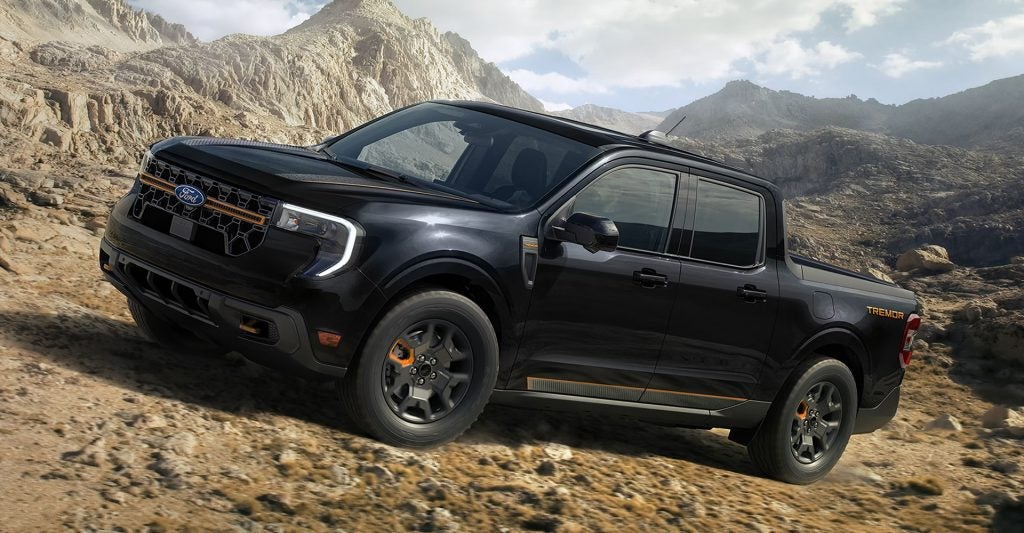
When it comes to ground clearance and off-road capability, the Ford Maverick once again shows its versatility. The Ford Maverick Tremor® trim is specifically designed for off-road enthusiasts, featuring skid plates, all-terrain tires, and selectable drive modes like Normal, Sport, Tow/Haul, Eco, and Off-Road. Ford Maverick Lobo™ drivers can tap into even more on-road excitement with the available Lobo® Mode, along with added thrill and confidence thanks to its sharp, controlled cornering capabilities. These features allow the Ford Maverick to tackle rugged terrain with ease, making it a reliable choice for adventurous drivers.

On the other hand, the Hyundai Santa Cruz lacks equivalent off-road-focused trims, limiting its appeal for those who frequently venture off the beaten path. While it handles well on paved roads and offers good ride quality, it doesn’t provide the same level of capability for off-road conditions.

For buyers seeking a truck that can transition seamlessly from urban streets to challenging trails, the Ford Maverick is the clear winner in this category.

Interior and Technology Features

Cabin Comfort and Space

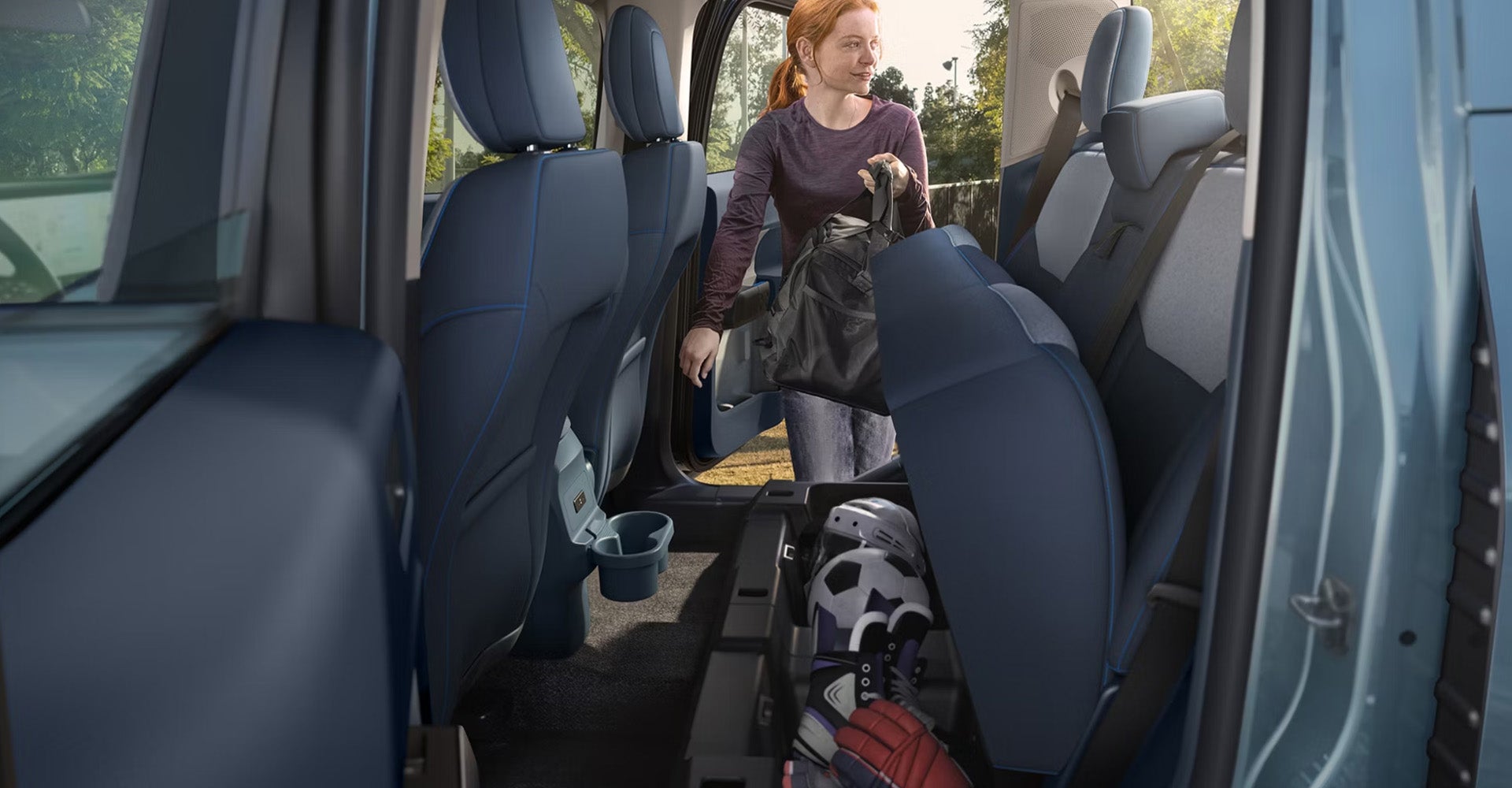
Inside the Ford Maverick, the cabin is designed to maximize comfort and utility. With a seating capacity for up to five passengers, the Ford Maverick ensures that everyone has ample room to sit comfortably. The front seats, especially in higher trims, can be upgraded with features like ActiveX-trimmed upholstery and a heated steering wheel for enhanced comfort during colder months. Additionally, the rear seats fold to provide extra cargo space, making the Ford Maverick a practical choice for families or individuals with diverse hauling needs.
ford maverick vs hyundai santa cruz affordability

In comparison, the Hyundai Santa Cruz also offers a well-designed cabin, but its interior feels slightly smaller than the Ford Maverick’s. While it provides premium materials and modern touches, its overall space doesn’t quite match the Ford Maverick’s balance of passenger and cargo utility. If cabin space and flexibility are a priority, the Ford Maverick holds an advantage for buyers seeking a compact truck with a spacious and comfortable interior.

Infotainment and Connectivity

The Ford Maverick excels in infotainment and connectivity, featuring the SYNC® 4 system with a vibrant 13.2-in. instrument cluster screen in higher trims. This system includes FordPass Connect, which enables remote start, vehicle tracking, and other convenient functions via a smartphone app. Additionally, the Ford Maverick supports wireless Apple CarPlay® and Android Auto™, making device charging and integration seamless. These features ensure that drivers and passengers remain connected and entertained during every journey.

While the Hyundai Santa Cruz also comes equipped with a solid infotainment system, it doesn’t quite reach the level of innovation seen in the Ford Maverick. The Hyundai Santa Cruz offers standard features like satellite radio and smartphone integration, but it lacks some of the advanced capabilities found in Ford’s system. It has a standard 12.3-inch color touchscreen, which is smaller in comparison to the Ford Maverick’s set up. For tech-savvy buyers who value cutting-edge features, the Ford Maverick provides a more comprehensive and user-friendly infotainment experience.

Safety Features: Ford Maverick vs. Hyundai Santa Cruz Reliability

Driver-Assist Technologies

When it comes to safety, the Ford Maverick sets a high standard with its Co-Pilot360® suite of driver-assist technologies. This package includes essential features like blind spot monitoring, lane keep assist, and cross-traffic alert, all of which enhance awareness and reduce the risk of accidents. Additional features like Adaptive Cruise Control, Emergency Braking, and Pedestrian Detection provide added layers of protection, ensuring a safer driving experience for both the driver and passengers.

The Hyundai Santa Cruz also offers a range of safety features, including Hyundai SmartSense, which includes advanced safety technologies such as Forward Collision-Avoidance Assist with Pedestrian Detection, Smart Cruise Control with Stop & Go, Lane Keeping Assist, and more.

While these technologies are valuable, they don’t quite match the comprehensive coverage provided by the Ford Maverick’s Ford Co-Pilot360® suite which includes a Lane-Keeping System, Rear View Camera, BLIS® with Cross-Traffic Alert, and more. For buyers prioritizing safety and driver-assistance technologies, the Ford Maverick stands out as the more robust option.

Crash Tests and Safety Ratings

The Ford Maverick has performed exceptionally well in crash tests, earning high marks for its safety features and structural integrity. With advanced systems like hill descent control and pedestrian detection, the Ford Maverick is designed to protect both its occupants and those outside the vehicle. Its strong safety ratings make it a reliable choice for families and individuals alike. The Hyundai Santa Cruz also achieves good safety ratings, but its overall scores are slightly lower compared to the Ford Maverick. While it includes essential safety features, it lacks some of the advanced systems found in the Ford Maverick. For buyers seeking a truck with top-tier safety performance, the Ford Maverick is the stronger contender.

Design and Utility Features

Exterior and Bed Storage

The Ford Maverick is designed with functionality in mind, and its exterior reflects that focus. The innovative FLEXBED® system maximizes bed storage, offering features like cubby storage, adjustable bed width, and tie-down points to secure cargo. With a 53-inch bed length, the Ford Maverick provides ample space for hauling tools, sports equipment, or other gear. This thoughtful design ensures that the Ford Maverick meets the diverse needs of its owners.

The Hyundai Santa Cruz, while functional, doesn’t quite match the Ford Maverick’s level of bed utility. Its truck bed is practical for lighter tasks but lacks the same level of customization and storage solutions. For buyers seeking a compact truck that excels in versatility and utility, the Ford Maverick’s FLEXBED® system is a clear advantage.

Customization and Styling

Customization options are another area where the Ford Maverick shines. Its design features include a black mesh grille, LED headlamps, and a range of wheel size options, allowing buyers to personalize their truck to suit their preferences. Higher trims offer additional styling elements, such as unique colors and accents, that enhance the Ford Maverick’s rugged and modern appearance. The Hyundai Santa Cruz takes a distinct approach, emphasizing sleek and modern styling. While its design appeals to those who prefer a more urban aesthetic, it doesn’t offer the same rugged appeal as the Ford Maverick. Both trucks come with various trim levels to cater to different tastes, but the Ford Maverick provides a broader range of customization options, making it a more versatile choice for a wider audience.

Competitors and Alternatives

For buyers considering compact pickup trucks, it’s essential to examine competitors and alternatives to the Ford Maverick and Hyundai Santa Cruz. One notable competitor is the Honda Ridgeline, which combines the functionality of a truck with the comfort of an SUV. While the Honda Ridgeline offers a larger size and higher maximum payload capacity, it is more expensive and less maneuverable than its compact counterparts, making it a better option for those who need a midsize vehicle.

Ford’s own lineup also provides alternatives, such as the Ford Ranger and Ford F-150. The Ford Ranger serves as a step up for those who want more towing and payload capability without moving to a full-size pickup. Meanwhile, the Ford F-150 caters to heavy-duty needs, offering advanced technology and a wide range of configurations. On the SUV side, options like the Hyundai Santa Fe and Ford Explorer offer spacious interiors and off-road capability, making them viable choices for buyers who don’t require a truck bed but still want utility and versatility.

Ultimately, the Ford Maverick and Hyundai Santa Cruz carve out a unique niche in the compact pickup truck market. While competitors like the Ridgeline offer greater size and power, the Ford Maverick and Santa Cruz excel in affordability, urban practicality, and modern design. These trucks are ideal for buyers transitioning from sedans or crossovers, delivering a balance of utility and convenience that larger trucks or SUVs may not provide.

Why the Ford Maverick is the Top Choice

The Ford Maverick stands out as the top choice for compact truck buyers due to its unmatched combination of affordability, hybrid fuel efficiency, and versatile performance. With a starting price that undercuts much of the competition, it provides exceptional value without sacrificing features or capability. Its hybrid option delivers impressive MPG city ratings, making it an economical choice for both urban and suburban drivers.

In addition to its cost-effectiveness, the Ford Maverick excels in areas like towing, payload, and off-road performance, thanks to the Ford Maverick Tremor trim. The advanced safety features and user-friendly infotainment system further cement its status as a class leader. Whether you need a reliable work truck, a family-friendly vehicle, or an adventure-ready ride, the Ford Maverick offers an unbeatable package in the compact pickup truck segment.

Pick A Winner

Visit Preston Ford of Keller to test drive a Ford Maverick and see firsthand why this truck comes out on top!


SHOP NOW

Posted in:

Related Posts

Virginia Title And Registration Fees

Virginia Title, Registration Fees, & Sales Tax

Understanding Title & Registration Costs If you are planning to buy or lease through Preston Ford of Keller, it is important to understand how Virginia title and registration fees fit into your total vehicle registration cost. Every time you title or register a passenger vehicle, pickup truck, or other vehicle type in the Commonwealth of Virginia, there are state and local charges to plan for. These costs, along with the Virginia car sales tax rate, all play a role in your final out-the-door price. Knowing how Virginia title and registration fees are calculated can make it easier to compare options, avoid surprises at the DMV, and budget for the full registration process from the start. The Virginia Department of Motor Vehicles oversees vehicle registration fees, titling, and car registration rules for the state. While many drivers only think about Virginia title and registration fees when they are standing in line at the DMV office, it is smart to factor in these DMV fees when you choose your vehicle at Preston Ford of Keller. If you have ever wondered “How much are tags in Virginia?,” the answer depends on several pieces of your registration cost that this guide will help explain. This guide walks through how Virginia title and registration fees work, the required documents you will need, and how the team at Preston Ford of Keller can help you move through each step smoothly. What Makes Up Virginia Title and Registration Costs? When you register your vehicle in Virginia, you pay several separate items that, together, are referred to as Virginia title and registration fees. First, there is a vehicle title charge, often called a titling fee, which covers the creation of your official title certificate, also called the Certificate of Title. This document links you as the vehicle owner to a specific Vehicle Identification Number and vehicle record, and it is required before you can complete new registration in the Commonwealth of Virginia. Next, you will see vehicle registration fees and a license fee, which allow you to legally drive on public roads. The exact vehicle registration cost depends on the type of vehicle, its gross weight, and its empty weight. A heavier pickup truck will usually have higher Virginia title and registration fees than a lighter passenger vehicle, and certain vehicle types used for business may carry additional fees or an additional charge under the state fee schedule. Our team can walk you through how your chosen vehicle type affects these DMV fees before you finalize your buyer's order. Taxes are another major part of Virginia title and registration fees. You will owe sales tax on the purchase price or sale price of your vehicle, and in some situations, a use tax may apply. On top of state sales tax, your locality may charge a recurring car tax based on the assessed value of your vehicle. We can help estimate these amounts ahead of time, so that Virginia title and registration fees are built into your budget, not tacked on as an unwelcome surprise later. Getting a Virginia Title Through Preston Ford of Keller Anytime you purchase a vehicle in Virginia or move here from a previous state, you will need a Virginia title issued in your name. The vehicle title proves legal ownership and is created from a combination of required documents. For a typical purchase at Preston Ford of Keller, you will provide a bill of sale, also called a Buyer's Order, proof of purchase price, and, for some deals, a vehicle price certification that matches the purchase price you agreed to pay. These documents allow the Virginia DMV to confirm the sales tax owed as part of your Virginia title and registration fees. If the vehicle was titled in a previous state, the prior Title Certificate and title number must be surrendered during title transfers. For brand-new units, the dealership will submit the Manufacturer's Certificate, also called the Manufacturer’s Certificate of Origin, so that a Virginia title can be issued in its place. In every case, the DMV will need a completed application and other required documents to attach the title to the correct Vehicle Identification Number and vehicle record on file with the Virginia Department of Motor Vehicles. New resident drivers moving into Virginia have their own timeline for obtaining a Virginia title. When you relocate from a previous state, you will bring your out-of-state documents, proof of address, and a completed application to the DMV office or work through Preston Ford of Keller if you are purchasing a replacement vehicle at the same time. This is an ideal moment to let the dealership roll your Virginia title and registration fees into your deal so you can handle vehicle registration and auto insurance changes in a single coordinated visit. How to Register Your Vehicle in Virginia Once the title work is in motion, the next step is to register your vehicle so you can legally drive it in the Commonwealth of Virginia. To register your vehicle, you will complete a registration application and submit it with proof of auto insurance that meets state insurance coverage requirements. Your policy must meet minimum liability insurance coverage and insurance limits before a new registration will be issued. The Virginia DMV online services may also ask for your vehicle inspection paperwork and emissions information, depending on where you live and the type of vehicle you own. Some areas require an emissions test for certain vehicle types, while electric vehicles may have different inspection requirements. During this stage of the registration process, your driving record, valid driver's license, and any related ID cards can also be reviewed, especially if you are registering in Virginia for the first time. All of these pieces come together with your Virginia title and registration fees so the DMV can issue your registration proof and license plates. Taxes, Exemptions, and Special Situations Many drivers only think of Virginia title and registration fees as one number, but taxes and exemptions can make that number higher or lower. Sales tax and use tax are calculated from the purchase price or sale price documented on your bill of sale, proof of purchase price, or vehicle price certification. Some buyers qualify for a tax exemption, such as certain disabled veterans, active-duty members of the U.S. Armed Forces, or other Armed Forces personnel under specific programs. In some cases, law enforcement officers may also be eligible for specialized programs or local relief related to the car tax or Virginia title and registration fees. There are additional situations where Virginia title and registration fees may be adjusted. For example, a new resident bringing a vehicle from a previous state may already have paid a similar use tax and could avoid double taxation if the Department of Transportation rules allow a credit. Some vehicles used for specific purposes may qualify for specialized vehicle registration exemptions or reduced DMV fees. Preston Ford of Keller can help you review any possible tax exemption opportunities, so you are not paying more than necessary during vehicle registration. Local governments also play a role in how you experience Virginia title and registration fees. Your locality controls personal property, car tax rates, and some enforcement. If your registration proof is not current, local law enforcement officers, including those from a sheriff’s office, can cite you for expired tags or missing registration. Staying on top of vehicle registration costs and renewal requirements protects you from tickets and keeps your record clean. Renewals, Late Fees, and Keeping Your Registration Current Once your initial Virginia title and registration fees are paid, you will move into the ongoing cycle of vehicle registration renewal. Each year or every few years, depending on the option you chose, you will pay a renewal fee and any current car tax or local tax owed to keep your registration proof valid. Vehicle registration renewal can usually be handled online with a credit card, by mail, or in person. The Virginia DMV sends renewal reminders in advance of your expiration date, but it is still your responsibility to act before late fees apply. Ignoring vehicle registration renewal deadlines can quickly increase Virginia title and registration fees, as penalties, additional fees, and processing fees are added. For drivers who prefer help with keeping track of dates and paperwork, we can review your renewal notice during service visits and help you confirm that your registration proof, auto insurance, and vehicle inspection are all up to date. How Preston Ford of Keller Simplifies the Paperwork The paperwork behind Virginia title and registration fees can feel overwhelming, especially if this is your first time purchasing in the state. When you work with Preston Ford of Keller, much of the administrative work is handled for you. The dealership team can package your completed application, registration application, required documents, and supporting items such as ID cards, driver's license copies, insurance coverage requirements confirmations, and auto insurance details so that your visit to the Virginia DMV is straightforward. Many customers also appreciate that Preston Ford of Keller can help you understand service fees, processing fees, and any additional charge that might appear when you pay Virginia title and registration fees with a credit card. Whether you are handling car registration as a new resident, navigating title transfers from a previous state, or scheduling vehicle registration renewal, the dealership can offer clear guidance. With organized paperwork and registration proof in hand, you can drive away confident that your Virginia title and registration fees have been handled correctly and that your vehicle is fully compliant in the Commonwealth of Virginia. Visit us today in Keller, VA! CONTACT US

Tax Season Car Deals

Tax Season Car Deals: Take Advantage Of Your Tax Refund

Your Tax Refund, Your Dream Drive Tax season is here, and it’s the perfect time to take advantage of tax season car deals. Whether you’re looking for a new vehicle or exploring pre-owned cars, this time of year brings plenty of special offers and incentives for car buyers. From cash back options to lower interest rates, there’s never been a better time to upgrade to your next vehicle. Car dealerships will often roll out their best deals during tax time, making it easier to find the perfect vehicle for your needs. With opportunities to use your income tax return for a down payment or explore financing options, tax season offers an ideal chance to save on a new car, SUV, truck, or a reliable pre-owned vehicle. Shop our current specials and latest offers at Preston Ford of Keller to get the best price and drive away with a great deal. Why Tax Season Is the Best Time to Shop for a New Ride Use Your Income Tax Return Wisely Tax season is a great time to put your income tax return to good use by investing in your next vehicle. Applying extra money from your tax refund toward a down payment can significantly lower the purchase price or monthly payments for your new ride. This approach can make owning your dream car more affordable while giving you a fresh start for the year. Whether you’re searching for a new vehicle or a pre-owned vehicle, using your tax refund strategically can maximize your savings during the car-buying process. Special Tax Season Offers at Preston Ford of Keller Limited-time offers are often introduced during tax season to attract car shoppers. Our current offers may include cash-back incentives, lease offers, and low-interest financing options. Taking advantage of these special deals can help you find the perfect vehicle at a lower cost, whether it’s new or pre-owned. With a wide selection of models available, tax season is the perfect time to explore vehicles that suit your personal use. From family-friendly SUVs to compact sedans, we stock new inventory and certified pre-owned cars to meet every need. Fill out a credit application today to get started and speak with our team about getting the most out of car deals during tax season. Don’t miss the opportunity to secure a great deal while these offers last! Explore the Best Deals on New and Used Vehicles If you’re in the market for a new vehicle, tax season is the ideal time to browse the latest models. Search vehicles equipped with cutting-edge technology and advanced safety features designed to enhance your driving experience. Once you’ve found a model that fits your needs, schedule a test drive to ensure it’s the perfect vehicle for you. A test drive helps you experience the car’s performance, comfort, and features firsthand. With tax season car deals in full swing, now is the best time to upgrade to a new ride that checks all your boxes. Pre-Owned Cars and Trade-In Opportunities For those seeking value and reliability, pre-owned cars offer an excellent alternative to new vehicles. Certified pre-owned vehicles often come with warranties and thorough inspections, giving you peace of mind with your purchase. During tax season sales, you’ll find some of the best prices on pre-owned cars, making it a great time to invest in a quality vehicle without breaking the bank. Shop our latest pre-owned specials and take advantage of exclusive offers on quality used vehicles this tax season. Don’t forget to consider trade-in opportunities for your current car. We offer competitive trade-in values, which can further reduce the cost of your next vehicle. By trading in your used car, you can offset the expense of upgrading and make the most of your tax season savings. Tips for Car Shoppers During Tax Time How to Make the Most of Tax Season Savings To maximize your savings during tax season, it’s important to plan your car-buying process carefully. Start by consulting a tax professional to understand available tax deductions and credits. These benefits can help lower your overall expenses and make your next vehicle more affordable. When exploring financing options, look for terms that offer lower monthly payments or beneficial lease deals. Our special offers during tax time allow you to upgrade to a better vehicle without exceeding your budget. Whether you’re interested in long-term ownership or a short-term lease, this is a great time to secure a deal that works for you! Browse Our New Vehicle Specials During Tax Season While tax season brings additional opportunities to save, it’s also the perfect time to explore our New Vehicle Specials —updated frequently with offers that change based on availability, incentives, and manufacturer programs. These specials aren’t limited to tax-season-only promotions, but shopping them during tax time can work in your favor. Combining current vehicle specials with your tax refund or trade-in value can help you unlock even greater savings on your next new car, SUV, or truck. You can browse our latest offers online to compare pricing, incentives, and available models in real time with absolute ease. Since these specials are refreshed often, checking back regularly ensures you won’t miss a deal on a vehicle that fits your needs and budget. Whether you’re planning to buy now or still researching your options, tax season is an ideal time to explore our most up-to-date new vehicle specials and take advantage of the offers available today. Why Preston Ford of Keller Stands Out Our team is dedicated to helping car buyers find the perfect vehicle at the best time. Whether you’re looking to test drive a car, trade in your current vehicle, or explore financing options, we’re here to assist you every step of the way. We also offer convenient service hours to make car shopping as stress-free as possible. You can easily schedule test drives or trade-in evaluations at your convenience. With an unwavering commitment to customer satisfaction, we strive to make your tax season car-buying experience enjoyable and rewarding. Make the Most of Tax Season Car Deals in 2026 Don’t let tax season pass you by without taking advantage of our incredible car sales and special offers. Use the extra money from your refund to secure a great deal on a new vehicle or pre-owned car. With options like cash back, lower interest rates, and lease offers, this is the perfect time to upgrade your ride. Act quickly, as these limited-time deals won’t last forever. Visit Preston Ford of Keller to view our inventory, take a test drive, and find the perfect vehicle for your needs. View our current new and pre-owned specials online! Start the year right with a car-buying experience that combines value, convenience, and exceptional savings! SHOP NOW

Ford Escape vs. Chevy Equinox

Ford Escape vs. Chevy Equinox: Which Fits Your Needs?

The Ultimate All-Purpose SUV The SUV market is filled with options, but two models consistently stand out: the Ford Escape and the Chevy Equinox. When comparing the Ford Escape vs. Chevy Equinox, both vehicles bring their own strengths, making the decision a matter of individual priorities. From advanced safety features to versatile interior layouts, these compact SUVs are designed to meet the needs of today’s drivers. In this guide, we’ll explore how the Ford Escape offers a balanced combination of affordability, reliability, and driving experience, comparing its features against those of the Chevy Equinox. Whether you prioritize cargo space, seating capacity, or fuel efficiency, this detailed analysis will help you make an informed choice. Ready to dive deeper? Keep reading and visit Preston Ford of Keller to test drive a Ford Escape today. Affordability: Ford Escape vs. Chevy Equinox Cost-Effective Features and Pricing When considering affordability, the Ford Escape offers a compelling advantage. It comes with a variety of trim levels that cater to different budgets, allowing buyers to choose a model that fits their needs without compromising on quality or features. In comparison, the Chevy Equinox models tend to have slightly higher starting prices, which may not include some of the advanced features available in the Ford Escape. The Ford Escape offers advanced technology, including wireless Apple CarPlay® and Adaptive Cruise Control with Stop-and-Go and Lane Centering, ensuring you get high-value features at a competitive price point. This focus on affordability, without sacrificing essential features, makes it a strong contender for cost-conscious buyers. Efficient Powertrains and Long-Term Savings The Ford Escape offers a range of hybrid and plug-in hybrid models that promise significant long-term fuel cost savings. There is a versatile lineup of Ford Escape powertrains designed to suit a wide range of driving styles—from fuel-conscious commutes to more energetic performance. While the Chevy Equinox delivers 175 horsepower and 203 lb.-ft. of torque from its single 1.5L turbo engine, the Ford Escape’s base 1.5-liter EcoBoost® engine offers a livelier 180 horsepower and 199 lb.-ft. of torque. That slight bump in horsepower gives the Ford Escape a more responsive feel, and the minor torque difference is unlikely to be noticeable in everyday driving. Beyond the base engine, Ford offers a 2.0L turbocharged upgrade producing an impressive 250 horsepower and 280 lb.-ft. of torque—far beyond anything available in the Chevy Equinox lineup. Drivers can choose from a 1.5L EcoBoost® inline-3 gas engine, hybrid options, or a plug-in hybrid configuration. The Ford Escape delivers impressive efficiency, with the AWD 2.0L EcoBoost® offering an EPA-estimated 23 MPG in the city, 31 MPG on the highway, and 26 MPG combined, while the AWD 2.5L Hybrid achieves an EPA-estimated 42 MPG city, 36 MPG highway, and 39 MPG combined. With better fuel efficiency and EPA-estimated city and highway ratings compared to the Chevy Equinox, the Ford Escape ensures a cost-effective driving experience, whether you’re commuting through city streets or taking long road trips. Moreover, the Ford Escape’s fuel-efficient powertrains are designed to keep ownership costs low. Whether you opt for the gas engine or hybrid powertrain options, you’ll enjoy a balance of performance and economy that’s hard to beat in this segment. For buyers looking for a wise investment, the Ford Escape offers an excellent combination of affordability and efficiency. Altogether, the Ford Escape delivers more versatility, more available power, and a stronger foundation at the entry level, making it the more compelling pick for drivers who want both performance and choice. Reliability and Safety: Ford Escape vs. Chevy Equinox Advanced Driver Assistance Features Safety is a leading concern for SUV shoppers, and the Ford Escape delivers with confidence. It comes loaded with advanced driver-assist technologies such as Forward Collision Alert, Automatic Emergency Braking, and Lane Keep Assist—features that work in harmony to create a more secure driving experience. Added tools like Rear Cross-Traffic Alert and Blind-Spot Monitoring (BLIS®) provide extra awareness when navigating crowded streets or merging onto the highway. Its safety suite also extends to helpful driving aids, offering options like Adaptive Cruise Control, enhanced Blind-Spot Monitoring, and available 360-degree camera views, all designed to give you greater confidence behind the wheel in various situations. These features not only provide peace of mind but also improve the reliability ratings of the Ford Escape, making it a dependable choice for families and daily commuters alike. The Chevrolet Equinox also delivers a strong lineup of safety features. Its standard Chevy Safety Assist suite includes Automatic Emergency Braking, Front Pedestrian Braking, Forward Collision Alert, Lane Keep Assist with Lane Departure Warning, and a Following Distance Indicator. Beyond these essentials, the Chevy Equinox can be equipped with advanced options like HD Surround Vision, Rear Cross-Traffic Braking, Blind Zone Steering Assist, and Teen Driver monitoring technology. While both SUVs offer robust safety features, the Ford Escape gains an advantage with its wider selection of upgraded driver-assist features and user-friendly accessibility tools, giving it an edge in confidence, convenience, and long-term reliability. Proven Engineering for Everyday Dependability One of the key advantages of the Ford Escape is its proven engineering, which is evident in its EcoBoost® technology and refined chassis design. These elements ensure long-term durability and a smoother driving experience. The hybrid systems available in the Ford Escape not only improve fuel efficiency but also enhance reliability by reducing wear and tear on the engine. When comparing the reliability ratings of Ford models to Chevy Equinox models, the Ford Escape consistently outperforms its competitor. This makes the Ford Escape a better choice for buyers looking for a vehicle that can handle the demands of daily driving with minimal maintenance concerns. When comparing reliability, both the Ford Escape and Chevy Equinox perform well, but the Ford Escape holds a slight advantage in long-term durability. Many well-maintained Ford Escapes are known to reach 200,000 miles or more, giving it a strong reputation for longevity. The Chevy Equinox offers solid, consistent reliability—especially in newer model years—but it doesn’t quite match the Ford Escape’s potential for long-term ownership. Overall, both are dependable choices, but the Ford Escape offers a bit more confidence for drivers planning to keep their vehicle for the long haul. Cargo Space and Interior Versatility Maximized Cargo Room and Seating One of the standout features of the Ford Escape is its impressive cargo capacity. With up to 65.4 cu.ft. of cargo volume available behind the rear seats, the Ford Escape offers more flexibility for drivers with active lifestyles. In comparison, the Chevy Equinox falls short with its rear seats flat, offering a maximum 63.5 cu.ft. of storage room. Whether you’re packing for a family vacation or loading up gear for outdoor adventures, the Ford Escape’s spacious cargo room ensures you have plenty of space for all your needs. The interior space of the Ford Escape is also thoughtfully designed to maximize passenger comfort. Its adaptable rear seats can be adjusted to create more cargo room or additional legroom, depending on your requirements. With ample seating capacity and versatile configurations, the Ford Escape is well-suited for drivers in different locations and scenarios, from urban commutes to weekend getaways. Although the Chevy Equinox offers an appealing interior package, with its large displays and comfortable seating, it falls short of providing the same versatility and “upgrade potential” that the Ford Escape offers. In short, if you’re looking for a cabin that feels ready for your life, not just your driving, it’s hard not to lean toward the Ford Escape. Comfortable and Tech-Focused Cabin Inside, the Ford Escape blends comfort with advanced technology to create a welcoming and modern driving environment. A built-in 4G LTE Wi-Fi® hotspot keeps passengers connected, supporting up to 10 devices—even from up to 50 feet outside the vehicle—making it ideal for families, road trips, and on-the-go productivity. The intuitive SYNC® 4 system with Enhanced Voice Recognition elevates the experience further, offering seamless access to navigation, wireless Apple CarPlay® and Android Auto™, Ford Assistant, weather updates, parking information, real-time traffic, and nearby fuel or charging stations. Premium touches like the ST-Line Sport Contour Bucket Seats, a Rotary Gear Shift Dial, and an available 13.2-inch center display set a high bar for style and usability—bringing an upscale feel to the cabin that’s hard to match in this class. In comparison, the Chevy Equinox brings a solid list of interior features, including an 11.3-in. touchscreen with Google Built-In, power-adjustable driver’s seat, heated and ventilated front seats, Dual-Zone Climate Control, and easy-clean Evotex seating. Higher trims add conveniences like a panoramic sunroof, wireless charging, and a hands-free power liftgate. Still, its interface and screen size remain more limited than the Ford Escape’s larger displays and SYNC® 4 system. Ford also goes further with accessibility tools like a built-in screen reader mode and a dedicated accessibility guide, ensuring every passenger can interact with the tech with ease. Driving Experience: Ford Escape vs. Chevy Equinox Responsive Powertrain Options The Ford Escape offers a range of powertrain options to suit different driving styles. Its turbocharged four-cylinder engine delivers impressive torque, providing ample power for acceleration and merging onto the highway. For those who prefer a more fuel-efficient option, the base engine and hybrid models offer a smooth and refined driving experience, thanks to their automatic transmission systems. FWD is standard on the Ford Escape, which enhances stability and control during daily commutes. Whether you’re navigating tight city streets or cruising on open highways, the Ford Escape’s responsive handling ensures a comfortable and enjoyable driving experience. Enhanced Driving Confidence Advanced features, such as Adaptive Cruise Control and Lane Departure Warning, make long drives safer and less stressful. These safety technologies work together to help drivers maintain a safe distance from other vehicles and stay in their lane, even on busy roads. Additionally, the Class II Trailer Tow package adds versatility, making it easier to haul small trailers or recreational gear. When it comes to towing capability, the Ford Escape clearly outperforms the Chevy Equinox. The Ford Escape can tow up to 3,500 lbs. when properly equipped, giving drivers plenty of strength for small campers, utility trailers, or recreational gear. Even the Ford Escape’s base 1.5L engine offers a respectable 2,000-lb. towing capacity, while the hybrid and plug-in hybrid models are rated at 1,500 lbs. In contrast, the Chevy Equinox tops out at just 1,500 lbs., even with all-wheel drive. For drivers who value flexibility and need a vehicle that can confidently handle weekend toys or heavier loads, the Ford Escape delivers far more capability than the Chevy Equinox. Why the Ford Escape Is the Superior Choice The Ford Escape stands out with modern updates that enhance both its style and performance. Its sharper styling, featuring sleek LED lighting and improved aerodynamics, gives it a bold and contemporary presence on the road. These design improvements not only make the Ford Escape visually appealing but also contribute to better fuel efficiency and overall driving dynamics. In terms of practicality, the Ford Escape offers superior cargo volume, seating capacity, and interior space when compared to the Chevy Equinox. The well-thought-out cabin design ensures maximum comfort and utility, making it a versatile choice for families and individuals alike. Additionally, the inclusion of high-tech features such as wireless Apple CarPlay®, a Wi-Fi hotspot, and advanced driver assistance systems reinforces its position as a leader in the compact SUV market. Head to Preston Ford of Keller to take the Ford Escape for a test drive to see why it is the clear winner. SHOP NOW