
Ford Maverick Cost of Ownership
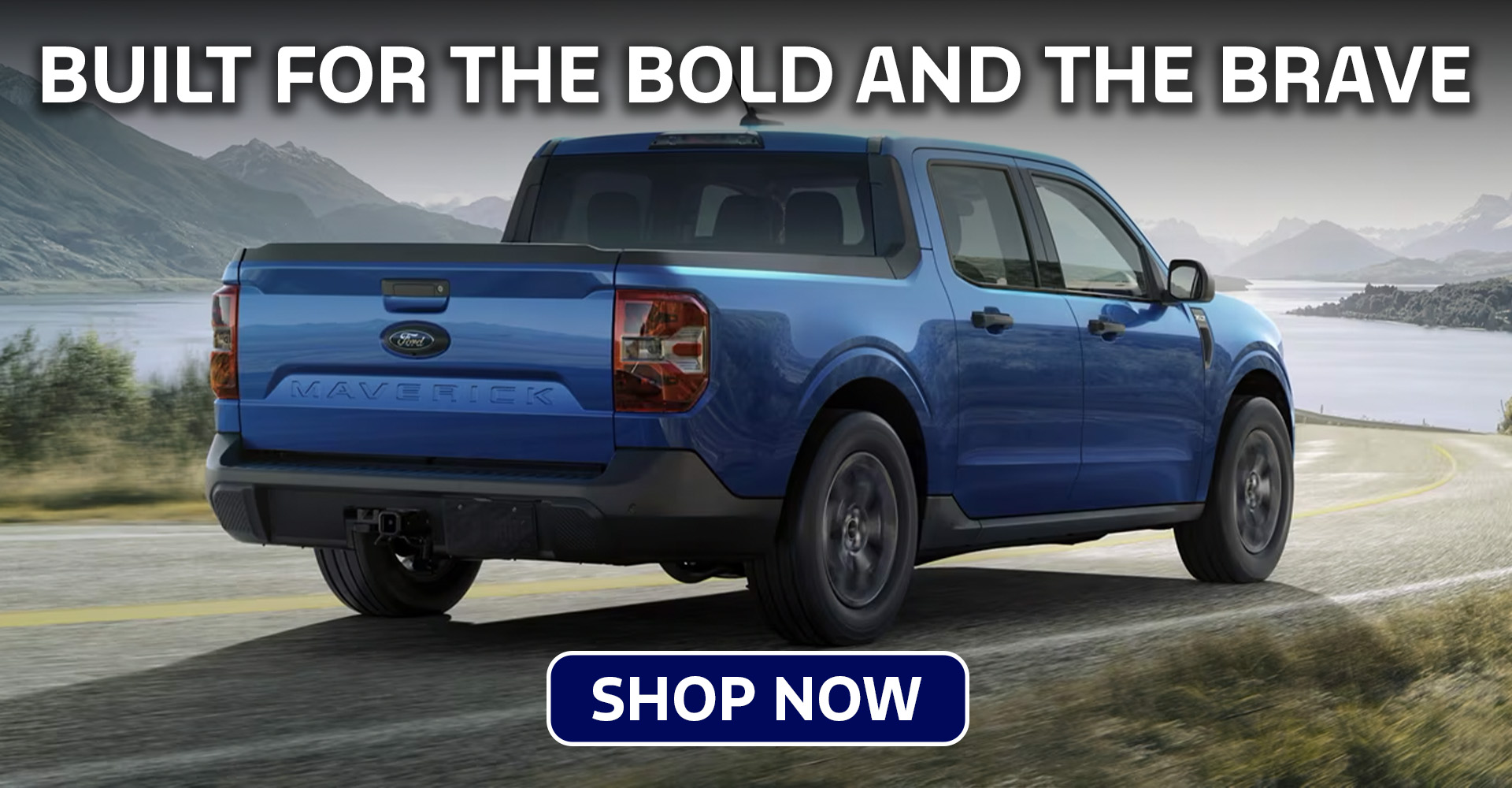
How Much Does a Ford Maverick Cost?: A Comprehensive Guide for Buyers
The Ford Maverick is a compact truck that blends utility with efficiency, making it a perfect choice for both urban and rural settings. Available in multiple trims and configurations, the Ford Maverick caters to a wide range of buyers looking for an affordable, practical, and versatile pickup. With strong resale value and a competitive depreciation rate, the Ford Maverick proves to be a reliable investment. Whether you need a dependable workhorse or a stylish daily driver, the Ford Maverick delivers performance, comfort, and affordability. Head to Preston Ford of Keller to learn more about the Ford Maverick cost and browse our inventory!
Purchase Price and Incentives
The Ford Maverick cost typically ranges between $24,000 and $36,000, depending on trim level, model year, features, and optional packages. Higher trims like the Lariat come with premium features that elevate the price, while the base XL trim remains one of the most affordable trucks in its class. To secure the best deal, buyers should explore manufacturer incentives, dealership discounts, and financing offers. Negotiating with dealerships can also help reduce the Ford Maverick monthly payment, making ownership more manageable.
Ford Maverick Ownership Costs
Thinking of buying a Ford Maverick? Experts estimate the five-year cost to own a Ford Maverick is falls between $45,000 and $51,000. This includes the purchase price, insurance, maintenance, taxes and fees, Ford Maverick interest rates, and the depreciation value. If you want to learn more about the long-term costs of owning a Ford Maverick, check out resources like Kelley Blue Book and Edmunds.
Ford Maverick Resale Value and Depreciation
Want to know how well the Ford Maverick holds its value? After five years, a new Ford Maverick depreciation value comes to an average of 38.1%, leaving you with a resale value of around $21,183. This impressive resale value is due to several factors including the truck’s durability, affordability, and excellent fuel efficiency, all of which contribute to its continued popularity in the used vehicle market.
Maintenance Costs
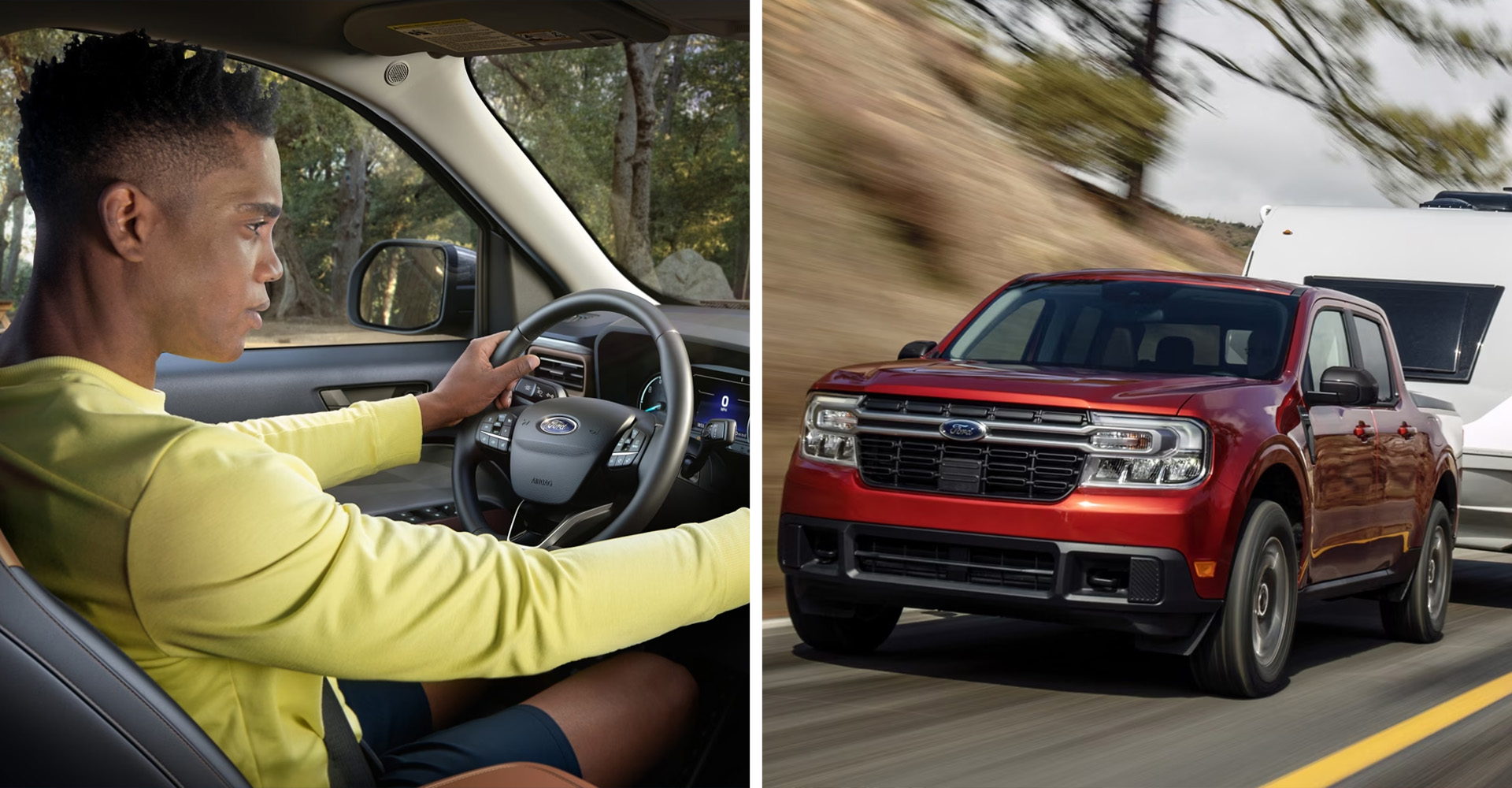
The Ford Maverick maintenance cost over five years is estimated between $3,000 and $6,000. Regular servicing, oil changes, brake inspections, and tire rotations help maintain its longevity and reliability. Buyers should factor in these costs to ensure a smooth ownership experience.
Insurance Costs
The Ford Maverick insurance cost varies based on factors such as trim level, model year, safety features, and driver history. On average, insurance expenses over five years range from $4,000 to $16,000. Shopping around for competitive insurance rates can help reduce overall ownership costs.
Why Buy a Ford Maverick?
The Ford Maverick stands out in the compact truck category for several reasons:
- Affordable price compared to other trucks in its class
- Excellent fuel efficiency, especially with the hybrid powertrain
- Versatile cargo bed and spacious interior
- Strong resale value and low depreciation
- Advanced safety features and technology
Financing and Leasing Options
We offer competitive Ford Maverick interest rates to make financing more accessible. Whether you prefer to finance, lease, or trade in your current vehicle, our team can help structure a payment plan that suits your budget. Reach out to discuss current offers and financing options tailored to your needs.
Trade-In Values and Selling Your Ford Maverick
The Ford Maverick’s resale value remains high, making it a solid choice for trade-ins or private sales. Use tools like Kelley Blue Book’s trade-in calculator to estimate your vehicle’s worth and maximize your return.

Tips for Vehicle Owners
- Stay on top of regular maintenance to retain performance and resale value.
- Utilize online resources like our new inventory listings, finance applications, and free online payment calculator.
- Test drive the Ford Maverick to experience its performance and features firsthand. Maintain regular maintenance to retain your vehicle’s performance and resale value. Utilize online resources, like new inventory listings, finance applications, and payment calculators, to stay informed and make the car-buying process easier.
Make Your Move
The Ford Maverick is a well-rounded, budget-friendly truck with impressive fuel efficiency, modern tech, and lasting value. Understanding the Ford Maverick cost, including ownership expenses and financing options, helps buyers make informed decisions. Contact us today to learn more, schedule a test drive, or explore current offers on the Ford Maverick at Preston Ford of Keller!
Ford Escape Cost of Ownership
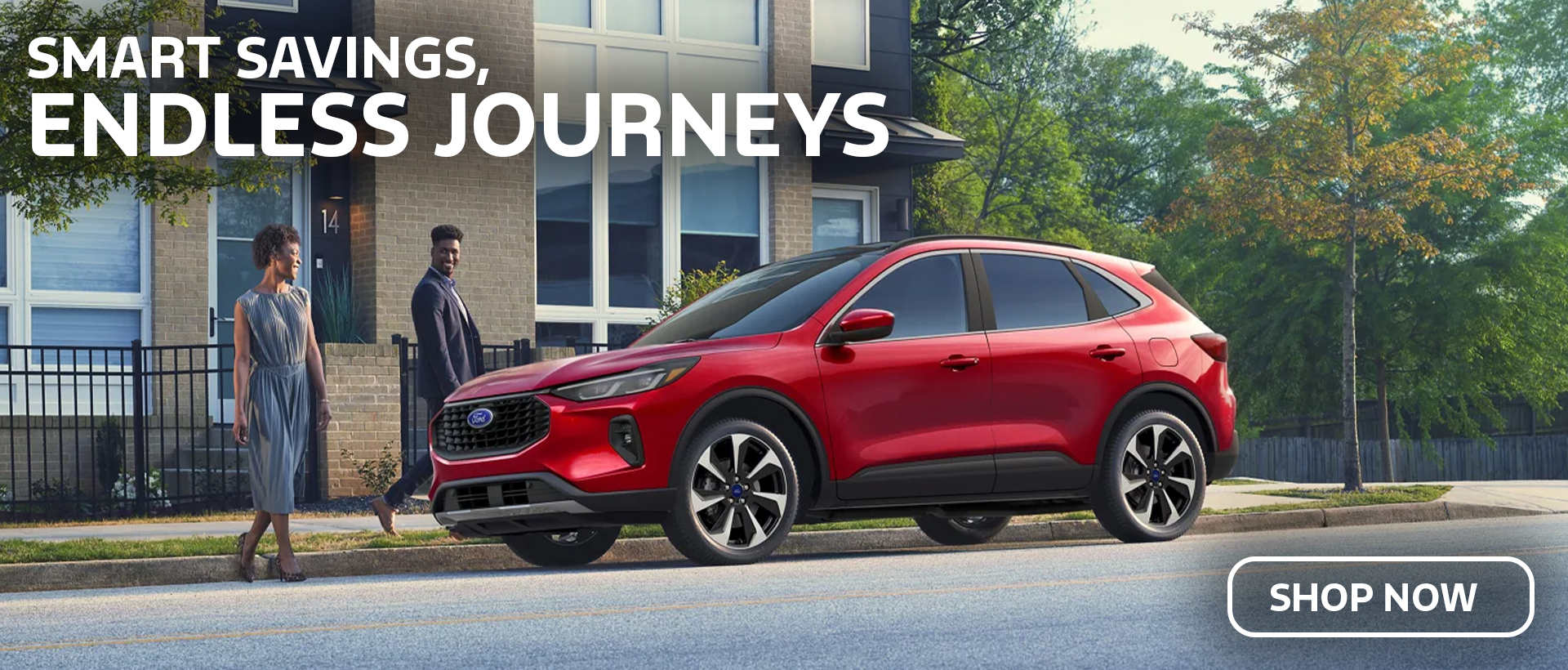
Understanding Ford Escape Expenses
If you’re considering purchasing a Ford Escape, understanding its total cost of ownership is crucial to making a well-informed decision. The Ford Escape has been a popular crossover SUV for many years, offering reliability, comfort, and performance. However, like any vehicle, it comes with a range of costs that go beyond the initial purchase price. In this blog, we’ll explore the Ford Escape cost including its depreciation, resale value, maintenance, insurance, and financing costs, to give you a complete picture of what to expect in terms of Ford Escape expenses. Head to Preston Ford of Keller to learn more about the cost of the Ford Escape and take a test drive!

Ford Escape Costs
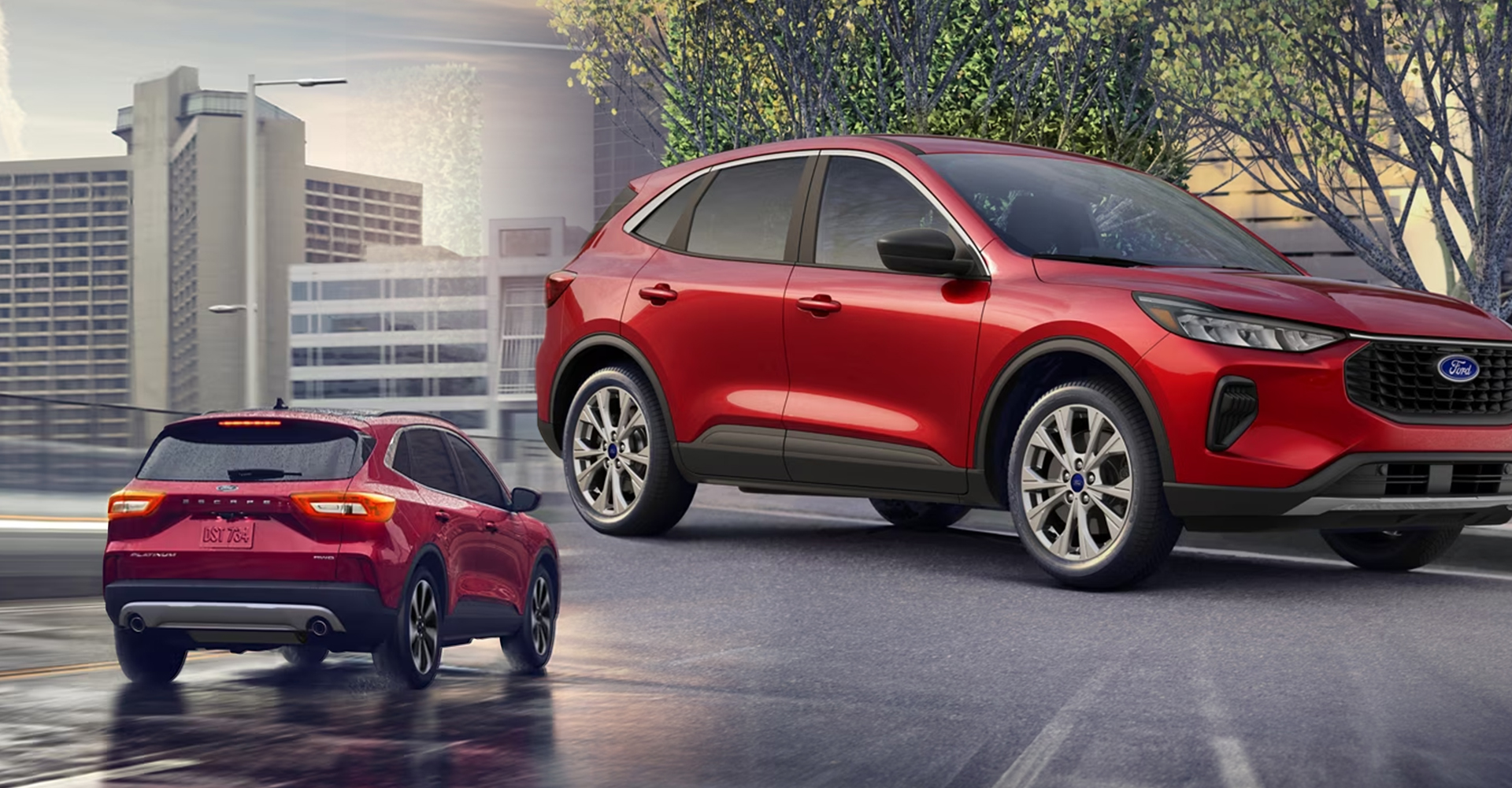
On average, the price range for a new Ford Escape typically falls between $30,000 and $41,000, depending on the trim level, features, and options selected. The model offers various trims, including the base S, SE, Titanium, and the sporty ST-Line, which can affect the overall price. While the Ford Escape is generally an affordable option for a compact SUV, it’s crucial to look beyond the initial price to understand the true cost of ownership. To get an estimate of your Ford Escape monthly payment, use our free online payment calculator.
Ford Escape Resale Value
The Ford Escape’s resale value is influenced by several factors, including its age, trim level, mileage, and overall condition. Just like any vehicle, the Ford Escape’s value will decrease over time, but the rate of depreciation can vary based on how well you maintain the vehicle and how much demand there is in the market.
Some factors that affect the resale value of a Ford Escape include:
- Age and Trim Level: Newer models and higher trims generally hold more value.
- Condition: Regular maintenance and avoiding accidents or major repairs can preserve its resale value.
- Mileage: Lower mileage generally results in higher resale value.
- Maintenance History: A well-documented service history is beneficial for potential buyers and can improve the vehicle’s value.
- Market Demand: Popular models with high demand in the used car market typically retain more value.
Additionally, the original purchase price and the vehicle’s history, such as whether it has been in any accidents or had multiple owners, can influence the resale value.
Ford Escape Depreciation
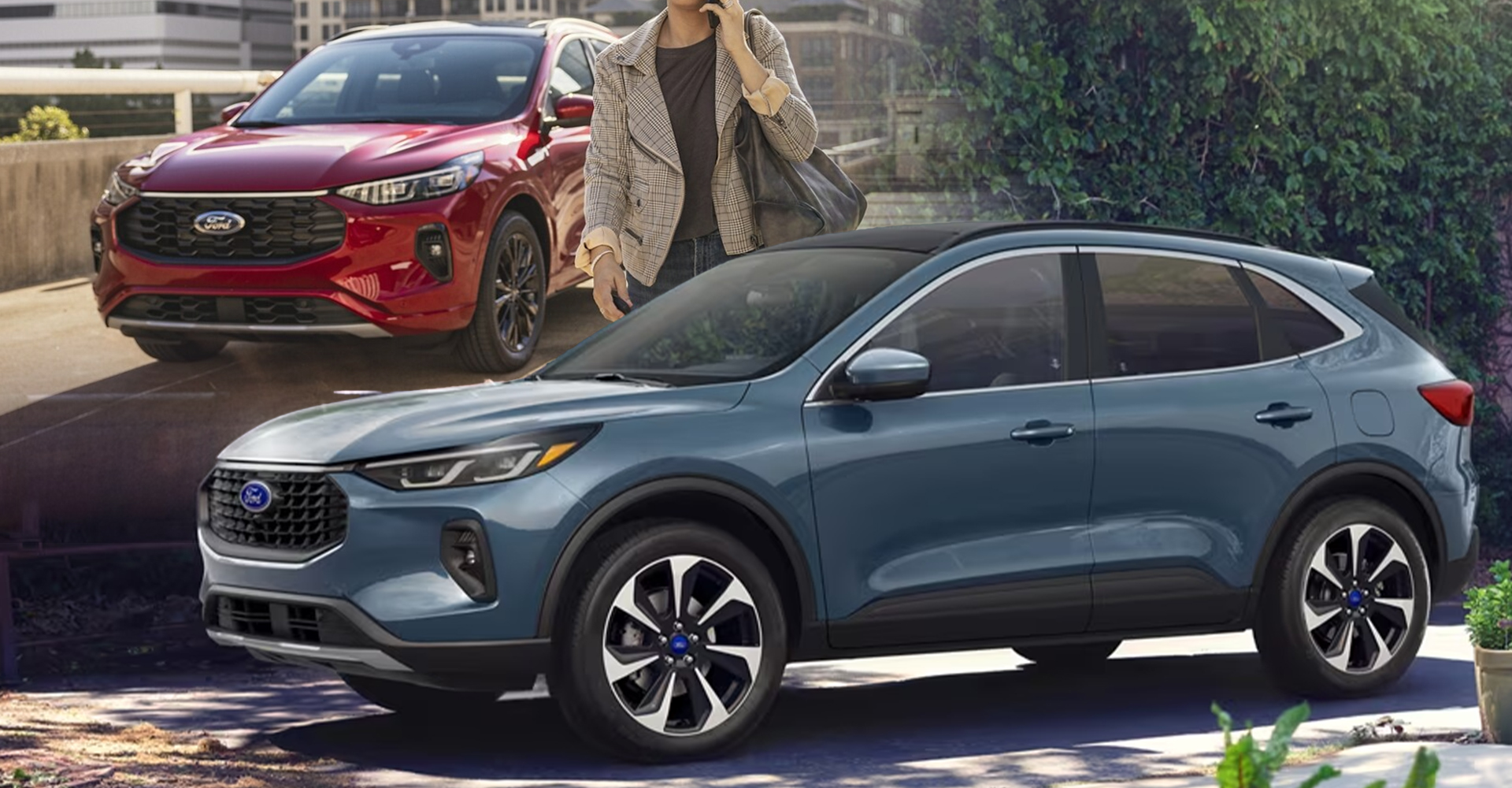
Do Ford Escapes hold their value? Like all vehicles, the Ford Escape experiences depreciation over time, but it holds its value relatively well compared to other vehicles in its class. On average, a Ford Escape will depreciate by about 48% after five years, according to Car Edge reports. This means that a vehicle initially priced around $34,600 will have a resale value of approximately $18,007 after five years of ownership. While this may seem like a significant drop, it’s important to note that compact SUVs, in general, tend to depreciate at a slower rate than many sedans or larger SUVs. The rate of depreciation can also be influenced by factors like the vehicle’s condition, mileage, and maintenance history, so keeping your Ford Escape in good shape can help maintain a higher resale value.
Buying a Ford Escape: New vs. Used
When deciding between a new or used Ford Escape, depreciation plays a significant role. A used Ford Escape that’s only 2 years old can provide substantial savings, allowing you to avoid the steepest depreciation hit. Additionally, if you plan to keep the vehicle for 3 years, the total depreciation would be around $6,072. Ford Escape interest rates can also affect the cost of the vehicle. If you’re looking for a cost-effective option, consider purchasing a used Ford Escape. However, always evaluate the car’s history, mileage, and overall condition to ensure you’re getting the best deal.
Ford Escape Maintenance and Repair Costs
Owning a Ford Escape also means factoring in maintenance and repair costs. Over a 5-year span, you can expect to spend between $3,000 and $5,000 on maintenance and repairs. Regular vehicle service, like oil changes, brake inspections, and tire rotations, can help keep your Ford Escape running smoothly and retain its value. Additionally, the Ford Escape’s fuel efficiency can impact its operating costs. Depending on your chosen trim level and model year, the Ford Escape offers competitive fuel economy that can help keep your overall cost of ownership in check.
Ford Escape Insurance Cost
Insurance prices for the Ford Escape can differ based on a variety of factors such as the model year, trim level, your driving history, and where you live. On average, you can expect to pay between $4,000 and $14,000 in insurance premiums over five years. To reduce insurance costs, it’s wise to browse and compare quotes from different providers to ensure you’re getting the best deal. Car insurance is an important part of your overall ownership costs and should be factored into your budget when considering Ford Escape cost.
Tips for Maximizing Ford Escape Resale Value
To maximize your Ford Escape’s resale value, follow these tips:
- Regular Maintenance: Stay on top of routine services to keep the vehicle in good condition.
- Avoid Accidents: A clean accident history will help maintain your vehicle’s value.
- Document Maintenance: Keep records of all maintenance and repairs to demonstrate your car’s history to potential buyers.
- Upgrade to Newer Models: If resale value is important to you, upgrading to a newer trim or model can help boost the car’s appeal.
- Sell Early: Consider selling your Ford Escape within the first five years to maximize its resale value before depreciation accelerates.
Your Escape Awaits
Understanding the total cost of ownership for a Ford Escape goes beyond its purchase price. The Ford Escape cost includes depreciation, maintenance, insurance, and financing, which all add up over time. However, the Ford Escape’s strong resale value and relatively low maintenance costs make it a smart investment for many drivers. Whether you’re buying new or used, taking care of your Ford Escape and considering the factors that impact its depreciation and resale value will ensure that you get the most value out of your investment. Take a trip to Preston Ford of Keller to test drive the Ford Escape and browse our inventory!
Ford F-150 Cost of Ownership
Understanding Ford F-150: What to Expect for Ownership and Resale Costs
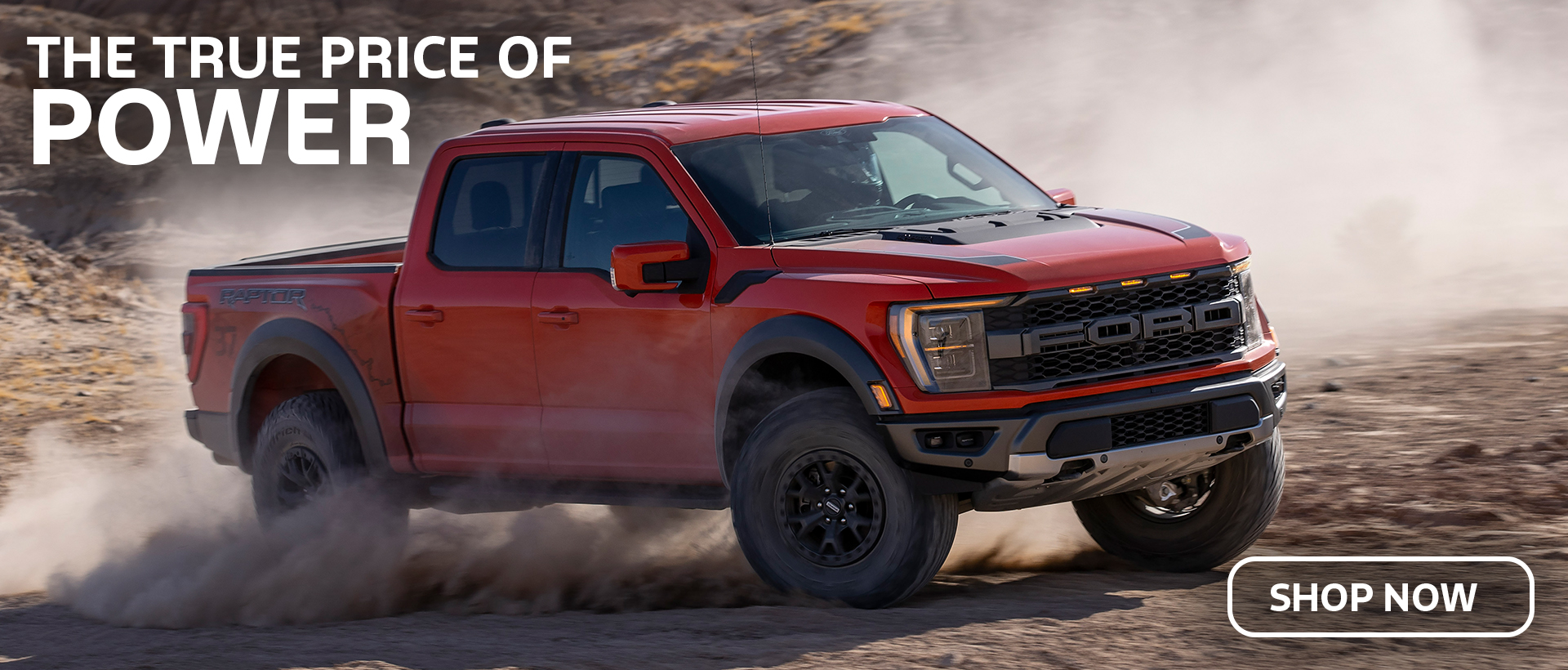
The Ford F-150 is one of the most popular and iconic trucks in the U.S., known for its reliability, power, and versatility. Whether you’re considering purchasing one for work or personal use, it’s important to understand the full range of costs associated with ownership, including the initial price and the long-term expenses such as insurance, maintenance, fuel, and Ford F-150 depreciation. In this blog, we’ll explain everything you need to know about the cost of a Ford F-150, helping you make an informed decision before hitting the road. Stay tuned and head to Preston Ford of Keller to browse our Ford F-150 inventory!
Ford F-150 Ownership Costs
The total cost of owning a Ford F-150 can vary greatly based on several factors, including the model year, trim level, condition, and how much you drive. When you’re budgeting for your Ford F-150, remember to factor in not only the purchase price but also ongoing expenses like insurance, fuel, maintenance, and repairs. According to 2024 reports, the prices of a new Ford F-150 range between approximately $38,000 and $77,000, depending on the configuration and trim level. In addition to the initial purchase price, it’s crucial to consider the total cost of ownership over time, which is where the depreciation, resale value, and insurance cost come into play.
Ford F-150 Monthly Payment
When you finance your Ford F-150, your monthly payment will depend on a few things, like the loan amount, interest rate, and how long you choose to finance. For example, if you borrow $50,000 with a 5% interest rate over 60 months, your monthly payment would be about $943. Our team is here to help you find financing options that work for your budget! Use our payment calculator to get started today.
Ford F-150 Maintenance and Repair Costs
One of the most important aspects of owning a Ford F-150 is understanding the maintenance cost over time. Regular maintenance, including oil changes, tire rotations, brake pad replacements, and other essential services, can help prevent costly repairs down the road. Typically, maintenance expenses for the Ford F-150 average around $5,000 to $6,000 over the course of five years, but the actual costs may differ depending on the truck’s age, driving habits, and whether you stick to a regular maintenance schedule. Avoiding regular maintenance can lead to more serious problems and higher repair costs. For example, while oil changes and tire rotations are fairly low-cost items, major repairs like brake system overhauls or transmission repairs can be costly, potentially running into the thousands. To mitigate the impact of these unexpected repairs, many owners opt for extended warranties, which provide peace of mind and cover unexpected repairs.
Ford F-150 Insurance Cost
One of the biggest ongoing expenses for any vehicle is insurance. The cost of Ford F-150 insurance will depend on a range of factors, including your driving history, age, location, and truck’s model year. On average, insurance for a Ford F-150 can cost anywhere from $5,000 to $16,000 over the span of five years. However, the best way to keep these costs manageable is to shop around and compare quotes from different insurance providers. Additionally, remember that registration costs will vary based on the state in which you live.

F-150 Resale Value and Depreciation
The Ford F-150 depreciation can be significant, as many models can lose as much as 50% of their value within the first five years. This is important for anyone considering selling or trading in their Ford F-150 down the road. Factors that affect the Ford F-150 resale value include the trim level, model year, condition, and any added features. For instance, limited-edition models or those with advanced tech and high-end finishes tend to hold their value better than base models. By researching Ford F-150 depreciation and keeping track of the vehicle’s condition, you can make more informed decisions when it’s time to sell or trade-in your vehicle.
Want to trade in your current vehicle? Click here to Value Your Trade or learn more about our We Buy Cars program at our Instant Offer Center.
Browse Our Inventory
Owning a Ford F-150 can be a rewarding experience, but it’s crucial to be aware of the ongoing costs involved. Whether it’s the Ford F-150 maintenance cost, insurance, or depreciation, these factors play a key role in the total cost of ownership. By understanding the Ford F-150 cost beyond the sticker price, you can better prepare for long-term ownership and make an informed decision that fits your budget. Make sure to research, shop around for insurance, and stay on top of your vehicle’s maintenance to minimize unexpected expenses and maximize your truck’s lifespan. The Ford F-150 remains an incredibly popular and reliable choice for drivers who want a truck that can handle anything, from daily driving to tough jobs. Understanding the true cost of ownership will help you get the most out of your investment. Visit Preston Ford of Keller to take America’s Favorite Truck for a test drive to see its excellence firsthand!
How To Avoid Paying Interest On A Car Loan

Save More When Paying Interest on a Car Loan
When buying a car, most people rely on financing to make their purchase. Car loans are a popular way to finance the purchase of a vehicle, but they often involve paying interest, adding to the overall cost. Interest is the cost of borrowing money, and while it’s a normal part of financing, no one wants to pay more than they have to. The good news is that there are strategies to minimize – or even avoid – paying interest on a car loan. At Preston Ford of Keller, understanding your financing options is crucial to making smart financial decisions. Below, we’ll share tips on how to avoid paying interest on a car loan and save money.

Understanding How Car Loan Interest Works
Before you can learn how to avoid paying interest on a car loan, it’s important to understand how car loan interest works. Interest is calculated based on the loan amount, the annual percentage rate (APR), also known as car loan interest rates, and the loan term (how long you take to pay it off). A longer loan term might lower your monthly payments, but it increases the total interest you’ll pay over time.
For example, if you take out a $30,000 loan with a 6% APR over five years, you’ll pay much more in interest than if you paid off the loan in three years. This is why reducing your loan term or paying off your loan early can be effective when exploring how to save interest on a car loan.

How To Pay Less Interest On A Car Loan
Pay in Cash or Make a Large Down Payment
The easiest way of how to avoid paying interest on a car loan is to avoid financing altogether by paying for your vehicle in cash. While this may not be an option for everyone, it eliminates the need to borrow money or pay interest.
If paying cash isn’t feasible, consider making a large down payment. Putting down 20% or more of the car’s purchase price reduces the loan amount, which in turn reduces the loan balance and the amount of interest you’ll pay over the life of the loan.
Choose a Short Loan Term
One of the most effective ways to learn how to avoid paying interest on a car loan is to choose a shorter loan term. Many lenders offer 36 to 72 months or longer terms, but the longer the loan term, the more interest you’ll pay.
By choosing a 36- or 48-month loan term instead of a 60- or 72-month term, you’ll pay off your loan faster and save on interest. Although your monthly payment will be higher, the savings on interest often make this approach worthwhile.
Shop For The Best Interest Rates
Not all lenders offer the same rates, so it’s important to explore around to find the best deal when figuring out how to avoid paying interest on a car loan. When you apply for financing at Preston Ford of Keller, our team works with various lenders to find the most competitive rates for our customers.
You can also check your credit scores before applying, as a higher credit score often results in lower interest rates. If your credit score isn’t where you’d like it to be, consider improving it before financing your car.
Refinance Your Loan
If you’ve already taken out a car loan but are stuck with a high interest rate, refinancing your car can help you avoid paying interest on a car loan. Refinancing refers to the process of taking out a new loan to pay off an existing one, often with the goal of securing a lower interest rate. This approach is particularly effective if your credit score has increased since you obtained the original loan, or if overall interest rates have decreased. By refinancing, you’ll learn how to avoid paying interest on a car loan early and reduce your overall cost.
Make Extra Payments
One of the simplest ways of how to avoid paying interest on a car loan is to pay off your loan early. Making extra payments – a little extra each month or occasional lump sums – can significantly reduce the principal loan balance on your loan. The faster you pay down the principal, the less interest you’ll pay over the life of the loan. Just ensure your lender doesn’t charge prepayment penalties, which could offset your savings.

How To Save Interest on a Car Loan Over Time
Start with Pre-Approval
Getting pre-approved for a loan before you start car shopping is one solid method for how to avoid paying interest on a car loan. Pre-approval gives you a clear idea of what you can afford and allows you to negotiate better terms with lenders. Pre-approval can also help you pay off your car loan faster by securing better loan terms from the start.
Buy During Promotions or Special Financing Offers
Dealerships often run promotions that include low or 0% APR financing. These offers can be an excellent way to minimize or avoid interest altogether. Remember that such deals are usually available only to buyers with excellent credit, so be sure to check your credit score in advance. Another strategy to consider is making biweekly payments, which can help you pay off your loan sooner and save on interest. Check out our current event offers here!
Leveraging Your Trade-In
When purchasing a new vehicle, leveraging your trade-in can significantly enhance your negotiating power for a more favorable interest rate. Dealerships typically earn higher margins on used cars, making them more inclined to provide lower interest rates to buyers who are trading in their old cars. Additionally, trading in your old car can also help reduce the amount you need to finance, which can result in lower monthly payments.
Mistakes To Avoid
Extending Your Loan Term to Lower Monthly Payments
While a longer loan term might seem appealing due to lower monthly payments, it’s one of the most costly mistakes you can make. Extending your loan term increases the total amount of interest you’ll pay, even if the interest rate remains the same.
Ignoring Your Credit Score
Your personal credit score is vital in how to avoid paying interest on a car loan. Ignoring your credit score or failing to improve it before applying for a loan could result in higher interest costs. Take the time to check your credit report and address any inaccuracies before financing your vehicle.
Why Financing With Preston Makes Sense
When you finance your vehicle with Preston Ford of Keller, you’ll benefit from our team’s expertise and commitment to helping you save. We’ll guide you through every step of the process, from understanding how to avoid paying interest on a car loan to securing the best financing terms possible. Learning how to pay less interest on a car loan is about making informed decisions and using smart strategies to minimize costs. Our goal is to ensure you drive away in the car you love with a financing plan that fits your budget. Visit us today to explore our inventory, learn more about your financing options, and start saving on interest.
Can you Finance a Car After a Lease?
Make It Yours
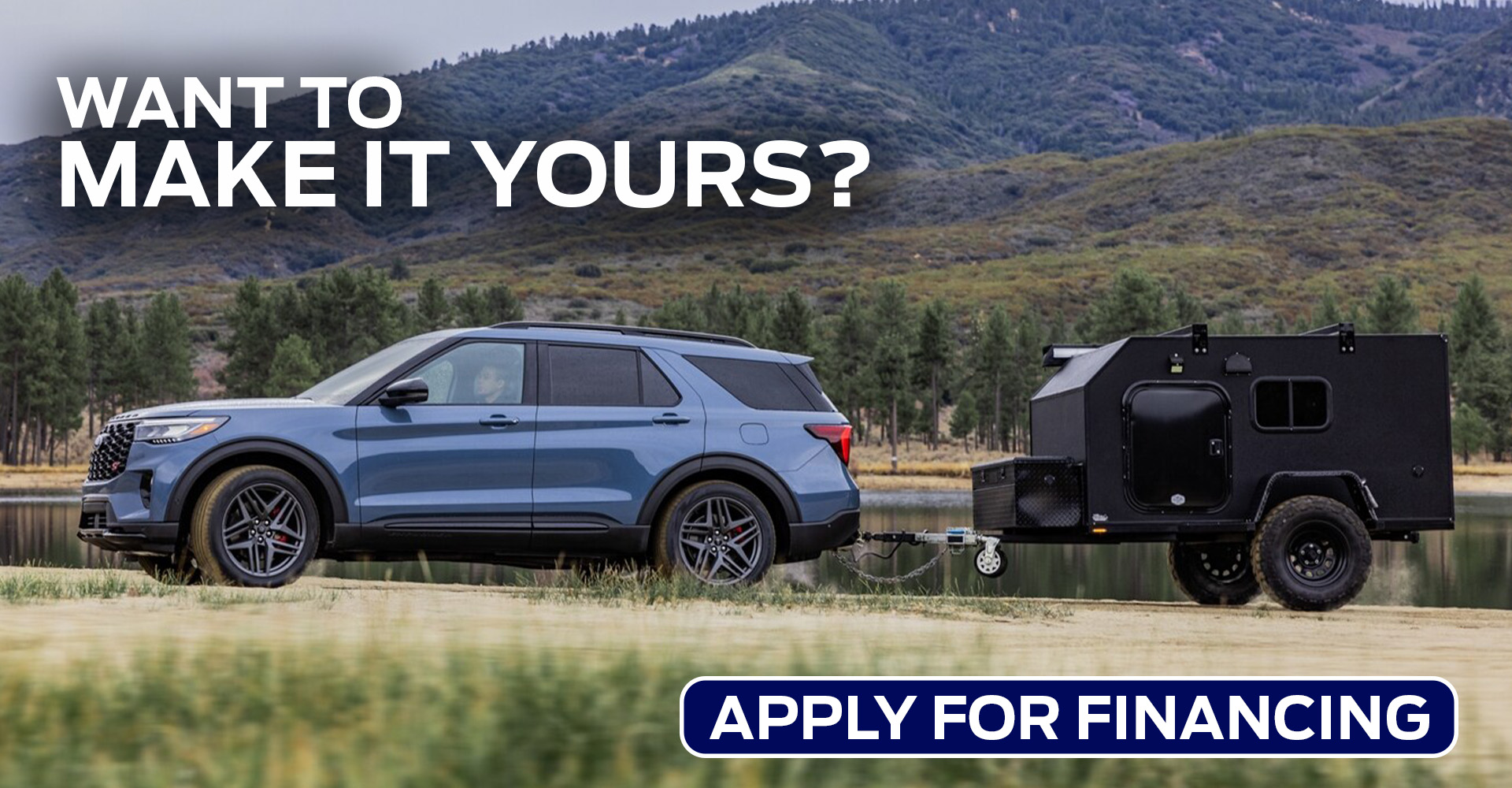
Leasing a vehicle, or entering into a car lease, can offer excellent flexibility, lower payments, and the ability to drive a new car every few years. However, if you’re coming to the end of your lease term and wish to keep the vehicle, you may be wondering: Can you finance a car after a lease? In many cases, yes, you can. Acquiring a car at the end of a lease term, referred to as a lease buyout, enables you to purchase the vehicle you’ve been driving, giving you the advantages of ownership. In this guide, we’ll explore how to transition from leasing to financing, key benefits of financing a lease buyout, and tips from Preston Ford of Keller on what to consider before making this choice.
Understanding Lease Buyout Financing
Financing a lease buyout means obtaining a loan to purchase your leased car outright. The buyout amount is the price set by the lessor for you to purchase the vehicle at the end or during the lease term, and it has significant financial implications. At the end of your lease, you’ll typically have the option to buy the car for its residual value—the estimated value of the car at the end of the lease. This amount is often predetermined in your lease contract.
How It Works:
- Check Your Lease Terms: Review your lease agreement for the residual value or buyout price. This buyout option allows you to purchase the car either during the lease term or at its conclusion, and it’s crucial to consider the economic implications of the buyout price in relation to the car’s market value.
- Apply for Financing: Financing options can include banks, credit unions, or even direct financing from Preston Ford of Keller, which offers competitive rates and simplified processes for lease buyouts.
- Finalize Your Buyout: Once you’ve secured financing, you’ll pay off the leasing company and officially take ownership of the car, transitioning from a lease into a loan.
Benefits of Financing a Lease Buyout
For many drivers, financing a lease buyout provides several benefits, especially if they love their current vehicle or wish to avoid the process of finding a new one. A lease buyout loan can be a viable financing option for those looking to purchase their leased vehicle at the end of the lease term.
Familiarity and Trust in the Vehicle
Financing a lease buyout means you’re keeping a vehicle that you already know well. You’re familiar with its maintenance history, overall condition, and performance. If you’re happy with how it handles and have invested time into keeping it well-maintained, buying it could be a smart choice.
Avoiding Lease-End Fees
If you’re nearing the end of your lease and your car has minor damages or excessive miles, a buyout can help you avoid costly lease-end fees. Leasing companies often charge for wear and tear beyond a certain level, as well as extra mileage fees, which can add up. Financing the car through a lease buyout lets you skip these charges.
Building Equity in the Car
One of the main drawbacks of leasing is that monthly payments don’t build any equity. Financing a lease buyout, on the other hand, gives you the opportunity to start building equity with each monthly payment. This is especially valuable if you plan to drive the car long-term.
Key Considerations When Financing a Lease Buyout
Before making a decision, consider the car’s market value, as it plays a crucial role in determining whether the buyout price is financially sensible. Let’s look at some of the key considerations to ensure a lease buyout is the right financial choice for you.
Residual Value vs. Market Value
One of the first steps in determining if a buyout makes sense is comparing the residual value (the car’s buyout price) to the current market value of similar vehicles. Check resources like Kelley Blue Book (KBB) or Edmunds to determine if the residual value is a fair price. If the car’s buyout price is lower than its market value, a lease buyout could be a great deal.
New Monthly Payments
When you switch from leasing to financing, your monthly payments may change. While lease payments cover depreciation, financed payments include the full cost of the car plus interest. This shift may result in a higher monthly payment, so it’s essential to review the loan terms and ensure that the new payment fits your budget.
Insurance Costs
If you finance a lease buyout, your insurance requirements may also change. Speak with your insurance provider to understand if financing could affect your rates, as some lenders require higher coverage levels. Preston Ford of Keller can also connect you with insurance professionals to assist in finding the right coverage.
Financing Options for Lease Buyouts
If you’re thinking, Can you finance a lease buyout?, there are several financing options to explore. Here are a few choices: Lease buyout loans come in various types, and it’s important to understand the processes involved when engaging with either a dealer or an independent lender.
Dealership Financing at Preston Ford of Keller
Dealership financing can be convenient and provide competitive rates, especially when working with experienced finance professionals who understand your goals. Preston Ford of Keller offers a streamlined process for lease buyout financing, making it easy to transition from lease to ownership.
Loans from Banks or Credit Unions
Banks and credit unions may offer favorable terms on auto loans. These institutions often work with borrowers to offer flexible terms, especially if you have an existing relationship with them. However, it’s important to compare rates and terms to find the best fit for your financial situation.
FAQs on Financing a Lease Buyout
Can you finance a car after a lease with less-than-perfect credit? Yes. Many dealerships and lenders, including Preston Ford of Keller, have financing options for various credit levels. Keep in mind that lower credit scores may result in higher interest rates, so it’s beneficial to shop around.
Is it better to buy the leased car or lease a new one? Buying a leased car can be advantageous if you’re happy with it and want to avoid the hassle of finding a new car. However, if you prefer to upgrade to a newer model, leasing again might be better for you.
How does a lease buyout compare to buying a used car? Buying a leased car often gives you more certainty since you know the car’s history. While purchasing a used car could offer more options and price points, financing a lease buyout allows you to stay with a vehicle you trust.
Ready to Finance Your Leased Vehicle?
So, can you finance a car after a lease? Yes, and it can be a smart option for those who want to keep their vehicle, avoid extra fees, and start building equity. If you’re looking to convert your car lease, financing a lease buyout allows you to keep a car you’re comfortable with and enjoy ownership benefits. Conact Preston Ford of Keller for more details today!
Financing a New Car in 2025

The Essential Guide on How to Finance Your Car Successfully
Financing a new car in 2025 is a thrilling milestone, but it can also feel overwhelming if you don’t know where to start. A successful vehicle purchase requires knowing your needs, setting a budget, and making wise choices. In this essential guide, we’ll walk you through how to finance your car, from determining what you can afford in terms of monthly car payments to factoring in long-term ownership costs like insurance, fuel, and maintenance. By considering your lifestyle, researching new and used car options, and utilizing online tools, you can make an informed choice that fits both your needs and your budget—without breaking the bank. Learn more about new car financing interest rates and get started on the road to car ownership at Preston Ford of Keller!
Choosing the Right Car for You
Choosing the right car can be a thrilling adventure, but it’s important to navigate the process with care. First, decide whether a new or used car aligns better with your budget and preferences. New cars often boast the latest features and warranties, but they also depreciate quickly. Used cars offer a more affordable option, but it’s crucial to research their history and consider potential maintenance costs. Once you’ve narrowed down your choice, dive into the world of Ford models. Compare safety ratings, fuel efficiency, and reliability to find a car that suits your lifestyle. Don’t forget to check vehicle history reports and explore every option for added peace of mind. Finally, take those potential rides for a spin! A test drive is the ultimate way to feel if a car is the right fit.

Preparing Your Finances
Before you embark on financing a new car in 2025, it’s essential to get your finances in order. Start by checking your credit history and score. This will give you a clear picture of your loan options and potential interest rates. If your credit needs a boost, focus on making payments on time and paying off any outstanding debt. Saving up for a down payment is another smart move. A larger down payment when financing a new car in 2025 can lower your loan-to-value ratio, making it easier to secure a loan with favorable terms. Finally, shop around for the best loan deals. Compare car interest rates and terms from different lenders to find the one that aligns with your financial goals. By taking these steps, you’ll be well-prepared to make a wise decision and drive off in your dream car.
Financing Options for First-Time Car Buyers
Financing a new car in 2025 can seem daunting. Don’t worry, there are options to help you get behind the wheel! First-time car buyer programs often offer special financing deals and incentives, so be sure to check with dealerships and lenders. You can also explore loans from various sources, including banks, credit unions, and online lenders. To get a sense of your potential rates and terms, look for lenders that offer prequalification or preapproval. If your credit history isn’t stellar, consider cosigning with a trusted friend or family member with good credit. Consider these financing options to find a plan that works for your budget and helps you achieve your goal of car ownership.
Getting Preapproved for an Auto Loan
Before you step onto our dealership lot, you can get preapproved for an auto loan. By applying with lenders beforehand, you’ll gain valuable insights into potential interest rates and loan terms. Simply provide information about your credit history, income, and employment status to get started. This strategic move empowers you to negotiate confidently and helps you to secure the best possible deal on your dream car. Get pre-approved by filling out a finance application here!
Common Mistakes to Avoid
When financing a new car, it’s easy to get caught up in the excitement and make some common mistakes. One of the biggest pitfalls is letting your heart rule your head. Avoid buying a car that’s cool but impractical or unsafe. Before you even step into a dealership, do your research. Compare prices, features, and financing options from different manufacturers and dealerships. And don’t forget to check your credit history and score. A good credit score can significantly affect your interest rate and loan terms. By avoiding these common mistakes, you can make a smart and informed decision that will keep you on the road for years to come.
Should I Buy a New Car in 2025?
Financing a new car in 2025 could be a promising year for car buyers. As the chip shortage and supply chain issues ease, we can expect increased inventory and potentially better deals. Additionally, advancements in automotive technology, such as electric vehicles and advanced safety features, are likely to be more prevalent in 2025 models. However, factors like rising interest rates and economic uncertainty could influence pricing and financing options. Finding a new car with no interest financing is rare but not impossible. Ultimately, the best time to buy a car is when it aligns with your personal needs and financial situation. Research, compare prices, and negotiate to maximize your savings.
New Ford Car Financing Made Easy
As you embark on the journey of financing a new car in 2025, remember to take your time and make informed decisions. Carefully consider your budget, lifestyle, and specific needs to find the perfect vehicle. Don’t hesitate to seek advice from our finance team, who will provide helpful guidance and support every step of the way. By following these tips, you’ll be well-equipped to make a smart purchase and enjoy many happy miles ahead. Fill out a finance application, start browsing our inventory online, and head to Preston Ford of Keller to buy a new car in 2025!
How to Finance Your First Car

Should I Finance My First Car?: Essential Tips & Things to Consider
Buying your first vehicle is an exciting milestone, but it can also be a bit overwhelming. With the proper knowledge and our top tips, you can navigate how to finance your first car with confidence. At Preston Ford of Keller, we’re proud to be a proud member of the Preston Automotive Group, which is comprised of car dealerships that finance first-time buyers. Here’s your user-friendly guide on how to finance your first car successfully at Preston Ford of Keller. Keep reading to learn more about when you should finance a car and fill out a quick credit application.
Understanding Your Needs and Budget:
If you’re pondering the question: “Should I finance my first car?” Don’t fret. We have the answers for you on how to finance your first car. Start by doing the following:
Assess Your Financial Situation
Start by mapping out how much you can comfortably afford for a monthly car payment. Consider your income and monthly expenses to find a realistic budget. Calculate your potential payments for your Ford with our reliable Payment Calculator tool. Just input your loan amount, interest rate, and any other required details.
Identify Your Lifestyle Needs
When deciding how to finance your first car, consider what you need in a car. Do you require fuel efficiency for long commutes, or are safety features a top priority? Reliability is key for heightened peace of mind, so factor that into your decision-making when browsing our inventory.
Research Car Prices
Take the time to research and compare the prices of new and used cars. Online tools can help you estimate the total cost of ownership, including insurance, maintenance, and fuel costs, ensuring you find a car that fits your budget.

Building Your Credit History
As a first-time car buyer, building your credit history is essential for securing a good auto loan and getting a favorable interest rate. A great credit score can help you qualify for better loan terms, lower interest rates, and lower monthly payments. Here’s how you can start building and improving your credit history to make your car-buying process smoother.
Importance of Credit for Financing
Your credit history plays a huge role in calculating your creditworthiness and the interest rate you qualify for. A good credit score can allow you to save money on interest and lower your monthly payments. On the other hand, a poor credit score can cause higher interest rates and higher monthly payments. This means that taking steps to improve your credit score can have a significant impact on your overall car purchase experience.
Choosing the Right Car for You
Knowing how to finance your first car also entails choosing the right car for you, which involves considering your lifestyle, budget, and personal preferences to ensure you find a vehicle that perfectly meets your needs.
New vs. Used
Decide whether you want a new or used car. New cars depreciate faster, while used cars often come with lower insurance costs and less depreciation. Weigh these factors to see what makes sense for you.
Compare Models
Look into different models that meet your criteria. Safety ratings, fuel efficiency, and overall reliability are essential factors. If you’re considering a used car, check its vehicle history report, and consider certified pre-owned options for added peace of mind.

Test Drive
Never skip the test drive! It’s crucial to experience how a car feels and performs before making a commitment. Head to Preston Ford of Keller for a test drive and find your perfect fit.
Financing Options for First-Time Car Buyers
Confused about car financing? We’ll break down the options for first-time buyers:
Explore First-Time Buyer Programs
Many loan lenders offer special financing options for first-time car buyers. These programs can provide valuable benefits, so be sure to research them.
Get Prequalified
Be on the lookout for lenders that offer prequalification or preapproval. This can give you a better idea of what rates and terms you might expect. Fill out an application online and get quick pre-approval today!
Consider a Cosigner
If your credit isn’t strong, consider asking a friend or family member with good credit to cosign your loan. This can help you lock in better financing options.
Explore Appreciation Programs
Ford offers a $500 bonus cash incentive to eligible first-time car buyers, including college graduates, military personnel, first responders, and Farm Bureau members. These kinds of incentives can significantly reduce the upfront cost of purchasing or leasing a new Ford vehicle from our Keller, VA, Ford dealer. This Ford incentive can be a valuable tool for first-time car buyers to lower their overall financing costs. By reducing the total purchase price, you may also qualify for a smaller loan amount. Lower monthly car payments and less interest paid over time can be a direct effect from this.*
Common Mistakes to Avoid
Now that you’re aware of how to finance your first car, here are some things you want to steer clear of during the process:
- Overspending: Don’t let emotions drive your purchase. Stick to your budget. Need help with this? Contact us, and we’ll be happy to help!
- Neglecting Safety: Choose a car that is both appealing and reliable.
- Skipping Research: Always compare prices and financing options before committing.
Should I Lease or Finance My First Car?
Deciding between leasing and financing your first car can be a tough choice. Leasing a vehicle offers lower monthly payments and the chance to drive a new car every few years. However, you won’t own the car and may face mileage restrictions. Financing, on the other hand, lets you own the car outright, but monthly payments are typically higher. Consider your budget, driving habits, and long-term goals to make the best decision. If you have any questions or concerns regarding leasing or financing your first car, contact us at Preston Ford of Keller where our finance team will be happy to assist you.

When is the First Payment Due?
Your first vehicle payment is due sometime between 30 and 60 days from the loan’s finalization date. The specific due date will be listed on your Promissory Note.
Take the Next Steps
Buying your first car is a significant decision, and it’s crucial to approach it with the right information. Keep your budget, lifestyle needs, and financing options in mind as you navigate this process. Take your time, don’t rush, and consider reaching out to a lender or financial advisor for support along the way. Now that you know how to finance your first car, it’s time for the exciting part. Fill out a finance application online and head to Preston Ford of Keller to find the car of your dreams!
*See dealership for details.
Although every reasonable effort has been made to ensure the accuracy of the information contained on this site, absolute accuracy cannot be guaranteed. This site, and all information and materials appearing on it, are presented to the user “as is” without warranty of any kind, either express or implied. All vehicles are subject to prior sale. Prices include all applicable rebates and require FMCC financing and exclude taxes, tags, and $799 dealer doc fee. Destination is included. ‡Vehicles shown at different locations are not currently in our inventory (Not in Stock) but can be made available to you at our location within a reasonable date from the time of your request, not to exceed one week.
Auto Loan Rate Forecast for 2025

Auto Loan Rate Trends and Predictions: What to Expect for Borrowers with Good Credit
The economy’s recent twists and turns have left many wondering, “When will car interest rates drop?” and anticipating when car loans will become more affordable. The 2025 auto loan rate forecast shows that loans are on a downward trajectory, offering a much-needed reprieve for good-credit borrowers. This means lower monthly payments and increased affordability for car buyers. While used car rates might remain slightly higher, averaging around 10%, the overall trend is positive. This decline in interest rates is expected to continue, with average rates for new and used cars potentially falling to 7% and 10%, respectively, by late 2025. Tune in to learn more about the 2025 auto loan rate forecast and fill out a finance application at Preston Ford of Keller today!
Factors Affecting Car Loans
Before we dive into the auto loan rate forecast for 2025, we must first understand what affects your car loans. Your credit score is the leading factor determining your auto loan interest rate. Borrowers with excellent credit typically secure lower rates for new cars. Lenders evaluate various factors, including your loan term, credit history, and income, to determine the interest rate you’ll qualify for. Vehicle prices and inventory levels can also influence auto loan rates. Higher-priced cars may come with higher interest rates. And let’s not overlook the broader economic conditions – inflation rates and the overall state of the economy also play a role in shaping auto loan rates.
Impact of Interest Rate Changes
Interest rate changes have a ripple effect on the 2025 auto loan rate forecast. Lower interest rates mean lower monthly payments, making cars more affordable. Conversely, higher interest rates can lead to increased payments, potentially straining the finances of some borrowers. As interest rates decline, we may see a decrease in auto loan delinquencies as consumers regain their financial footing. When it comes to the benefits of lower interest rates, new car buyers are likely to see them first, while used car buyers may experience a slight delay.

Strategies for Getting a Better Auto Loan
To secure a better auto loan, start by improving your credit score before applying. This can significantly boost your chances of qualifying for competitive rates. Shopping around for quotes from various lenders, including credit unions, banks, and online lenders, is crucial for finding the best deal. Consider a shorter loan term to reduce interest payments and potentially lower your overall rate. Making a larger down payment can also help, as it decreases the loan amount and risk for the lender. And if you’re struggling to qualify for a favorable rate on your own, consider using a cosigner or co-borrower with good credit. Fill out an online credit application here!
Will Car Interest Rates Go Down in 2025?
The Federal Reserve’s rate cuts are expected to lead to a decline in auto loan rates, making it cheaper for consumers to borrow. Lower interest rates mean car buyers can expect lower monthly payments and improved affordability. Average car loan rates are expected to decline below 6% for new car loans and 10% for used car loans by late 2025. According to Cox Automotive’s 2025 auto loan rate forecast, while recent interest rate cuts are a positive step, it could be months before there’s a noticeable decrease in auto loan rates.
Next Steps for Consumers
For good-credit borrowers, improving credit score can be a game-changer, potentially cutting your auto loan rate in half. Finding the best deal on a car purchase requires a combination of factors, including a strong credit score and a strong willingness to negotiate. By following these tips, you can secure a good deal and maintain a budget fit for your finances. It’s important to be patient and understand the expected trajectory of the 2025 auto loan rate forecast in the coming months. Due to increased competition, auto loan lenders may offer more competitive rates. However, borrowers with poor credit scores should anticipate higher interest rates. If you find yourself lost or confused about auto loans, contact us today!
We’re Here for You
Head to Preston Ford of Keller, where our team will assist you in finding the best auto loan rates in Virginia. Together, we will help you navigate the 2025 auto loan rate forecast and help you find the right vehicle for your budget and lifestyle!
Used Car Financing Tips For 2024

Smart Used Car Financing Tips to Help You Get a Good Deal
You’ve found the perfect used car at Preston Ford of Keller. Now, let’s make it yours! Navigating car financing can be a bit daunting, but with these helpful tips, you’ll be cruising down the road in your new-to-you ride in no time. Keep reading to discover the best way to finance a used car and get pre-approved for financing at Preston Ford of Keller today!
Credit Score: Your Key to a Great Car Loan
A good credit score is a key player in our used car financing tips, as it can lead to lower interest rates and better loan terms. Consider your credit score to act as your financial reputation. Lenders often view it as a sign of responsible borrowing, which means they’re more likely to offer you favorable deals. An excellent credit score can open doors to lower interest rates, saving you money in the long run. On the other hand, a lower credit score could potentially result in higher interest rates, making your monthly payments more expensive.
Preparing for Financing: A Step-by-Step Guide
Before you start shopping for a used car, it’s essential to get your finances in order. Begin by creating a budget that outlines how much you can alot for monthly car payments. Experts suggest keeping your car payment to around 10-15% of your net income. Use an auto loan calculator to get a better grasp of your budget and loan terms. Another smart move is to get pre-approved for a used car loan before you start your search. Getting pre-approval for financing gives you more bargaining power when negotiating both the car’s price and the financing terms.

Shopping Around & Comparing Options
Once you’re financially prepared, it’s time to start shopping for your car. Research safe and reliable models that match your needs and budget. Create a list of your top five options and compare reviews and safety ratings. Consider looking at our certified pre-owned vehicles for added peace of mind and extra perks like:
- AutoCheck® Vehicle History Report
- Full tank of gas
- Two sets of keys
- Five-day 300-mile exchange
- Available extended service contracts
- Preston Lifetime Engine Guarantee
How Long Can I Finance a Used Car?
Typically, used car loans last anywhere around 36 to 72 months. But as more people are turning to pre-owned vehicles, lenders have been offering longer financing terms. Now, you might find loans that extend to 84 months or even longer. It’s important to note that while longer terms can lower your monthly payments, they can also increase the total amount of interest you pay over the life of the loan.
Understanding Your Car’s Past: Vehicle History Reports
Knowing a car’s history can help you make an informed buying decision. At Preston Ford of Keller, our free vehicle history reports gives you peace of mind, which is just one of the many perks of the Preston Pre-Owned Program. Our inventory includes AutoCheck® Vehicle History Reports that provide detailed information about the car’s past. You’ll have access to details like accident reports, title and registration data, and more. This transparency ensures you have a complete picture of the car’s condition before you buy.

Finalizing the Purchase
Before you drive off the lot in your new-to-you car, it’s crucial to carefully review and understand all the loan terms. Here’s what you need to do:
Read Every Document: Take your time to read through all the loan and purchase documents.
Check for Accuracy: Verify that the interest rate, loan amount, and other details are correct.
Ask Questions: If you have any questions or uncertainties, don’t hesitate to ask the salesperson for clarification.
By reviewing and understanding the paperwork, you’ll ensure a smooth and hassle-free car-buying experience.
Bonus Tips for Success
Check Your Credit: Get a free credit report to see where you stand. A stellar credit score can aid you in negotiating better terms. Fill out an online credit application here!
Do Your Research: Know the fair market value of the car you want to compare prices.
Save Up for a Down Payment: A larger down payment sum means a smaller loan, which can then lead to lower monthly payments and interest rates.
Consider a Cosigner: A good credit cosigner can improve your chances of getting approved and getting a better interest rate.
Map Your Payments: Need a better visual of your financing? Check out our handy online payment calculator to account for your vehicle expenses.
Stress-Free Car Financing at Preston Ford of Keller
At Preston Ford of Keller, we believe buying a car should be a simple and enjoyable experience. So along with our best used car financing tips, we supply a range of tools and resources to make the process as easy as possible. Our team is here to guide you through the process, from picking the perfect pre-owned vehicle to securing the best financing options. With our wide selection of high-quality pre-owned cars, you’re guaranteed to find the perfect fit for your needs and budget. You’ll also gain access to our wonderful Preston Pre-Owned Program, which offers three tiers: Gold, Silver, and Bronze. Each tier comes with our Preston Lifetime Engine Guarantee, ensuring your peace of mind. Put our used car financing tips to good use, visit our dealership to explore our inventory and discover the benefits of each tier!

Understanding the Benefits of the Ford New Car Warranty: Top Things to Consider
Congratulations on your new Ford! To make the most of your ownership experience, it’s essential to understand the warranty that comes with your vehicle. The New Vehicle Limited Warranty is a cornerstone of your Ford ownership. It provides coverage for specific components and has a set duration. Ford covers a wide range of repairs and mechanical components under different warranty plans, ensuring that you only need to pay a deductible for repairs while Ford takes care of the remaining costs. By understanding the details of your new Ford car warranty, you can drive with the utmost confidence and heightened peace of mind. Ready to explore your Ford options? Visit Preston Ford of Keller today and find the perfect car to match your lifestyle and get an equally thrilling warranty.
Ford’s Commitment to Quality: Understanding Your New-Vehicle Warranty
Ford is dedicated to building reliable and durable vehicles. Their new Ford car warranty reflects this commitment, providing comprehensive coverage for defects in materials or workmanship. To ensure you’re fully informed, let’s explore the details of Ford’s new car warranty, including the specific components covered and the duration of coverage.
What Does Ford’s Powertrain Warranty Cover?
Ford’s new car warranty covers defects in parts and workmanship, protecting your investment. While normal wear and tear is not covered, major issues like engine or transmission problems, including essential internal parts, are. Ford will repair these using genuine OEM parts, saving you time and money.
Ford’s Commitment to Quality
Your new Ford car warranty comes with a solid foundation of protections designed to shield your investment. Let’s break down the different types of coverage available:
Vehicle Limited Warranty: The Vehicle Limited Warranty is your Ford’s comprehensive protection plan. It covers repairs or replacements needed for any manufacturing defects in materials or workmanship. For the first 3 years or 36,000 miles, you’re covered from bumper to bumper. This means if something goes wrong due to a manufacturing issue, your Ford dealership will fix it at no cost (excluding wear and tear). Items like brake pads are considered normal wear and tear and are not included in the warranty but are necessary for regular maintenance. The warranty details vary by vehicle component, so be sure to review the specifics for your Ford model.
Powertrain Warranty: The Powertrain Warranty is your extended new Ford car warranty protection for your truck’s core components. For 5 years or 60,000 miles, it covers essential parts like the engine, transmission, and drivetrain. This includes the rear-wheel drive system, ensuring comprehensive protection for your vehicle’s powertrain. The Ford Powertrain Warranty covers various mechanical components of your vehicle, including the engine and transmission parts, for a duration of five years or 60,000 miles. Ford’s Powertrain Warranty is comparable to the extended warranties offered by other popular car brands, making it a valuable addition to your Ford ownership.
Power Stroke® Diesel Warranty: If you own a diesel-powered Ford, the Power Stroke® Diesel Warranty offers an added layer of protection. This warranty extends coverage for your powerful Power Stroke® engine to 5 years or 100,000 miles. For new heavy-duty Ford vehicles, the emissions defect warranty lasts for five years or 50,000 miles and includes coverage for tire defects that impact compliance with greenhouse gas regulations.
Safety Restraint Warranty: The Safety Restraint Warranty ensures your Ford’s airbags and seatbelts (Supplemental Restraint System) are protected for 5 years or 60,000 miles. This warranty provides vital safety coverage for you and your passengers. Routine maintenance items like wiper blades are not covered under the new car warranty, highlighting the owner’s responsibility for regular upkeep.
Corrosion Warranty: The Corrosion Warranty is a new Ford car warranty that safeguards your Ford’s body from rust and corrosion. The coverage varies based on the type of damage and the specific vehicle model:
- Non-perforating damage (cars & light trucks): 3 years or 36,000 miles
- Perforating damage (cars & light trucks): 5 years or unlimited miles
- Aluminum panels on specific models: 5 years or unlimited miles (no perforation required)
Considering an Extended Warranty?
If you want extra protection beyond your vehicle’s initial warranty, a Ford Protect Extended Service Plan can be a valuable option. These plans offer various levels of coverage, including:
- Transferability: Protect your investment even if you sell your Ford.
- Roadside Assistance: Get help if you encounter car trouble.
- Rental Vehicle Benefits: Stay mobile if your Ford needs repairs.
- Unexpected Repair Cost Protection: Avoid unexpected expenses.
Choosing the Right Extended Warranty
When deciding on an extended warranty, consider factors like:
- Vehicle reliability: How dependable is your Ford model?
- Average repair costs: What are the typical repair costs for your vehicle?
- Warranty provider: Compare Ford-backed warranties to independent options.
Ford’s extended warranties are known for their quality and comprehensive coverage. By comparing different plans, you can find the one that best suits your needs and provides the protection you’re looking for.
Uncovering the Benefits of New Car Warranty
A new Ford car warranty not only protects your wallet but also boosts your vehicle’s resale value. Knowing your car is covered for a significant period allows you to focus on enjoying the drive without the constant worry of unexpected repair costs. Additionally, a warranty can instill confidence in the quality of your Ford, as it demonstrates the manufacturer’s belief in their product. And when it comes time to sell your car, a valid warranty can make it more attractive to potential buyers, potentially increasing its resale value.
Does a Used Ford Come with a Warranty?
Ford Blue Advantage vehicles come with any remaining coverage from their original warranty. Plus, Ford offers a 1-year/12,000-mile Comprehensive Limited Warranty that starts after the original warranty ends or when you buy the car. To fully understand the coverage, compare certified pre-owned warranties to new Ford car warranties.
Your Ford, Your Future: Warranty and Beyond
Owning a Ford is more than just driving. It’s about the journey ahead. Understanding your new Ford car warranty is a crucial step in ensuring a smooth and enjoyable ownership experience. Visit Preston Ford of Keller today to learn more about your new Ford car warranty coverage and discover the many benefits of driving a Built Ford Tough® vehicle!
Connect with us

